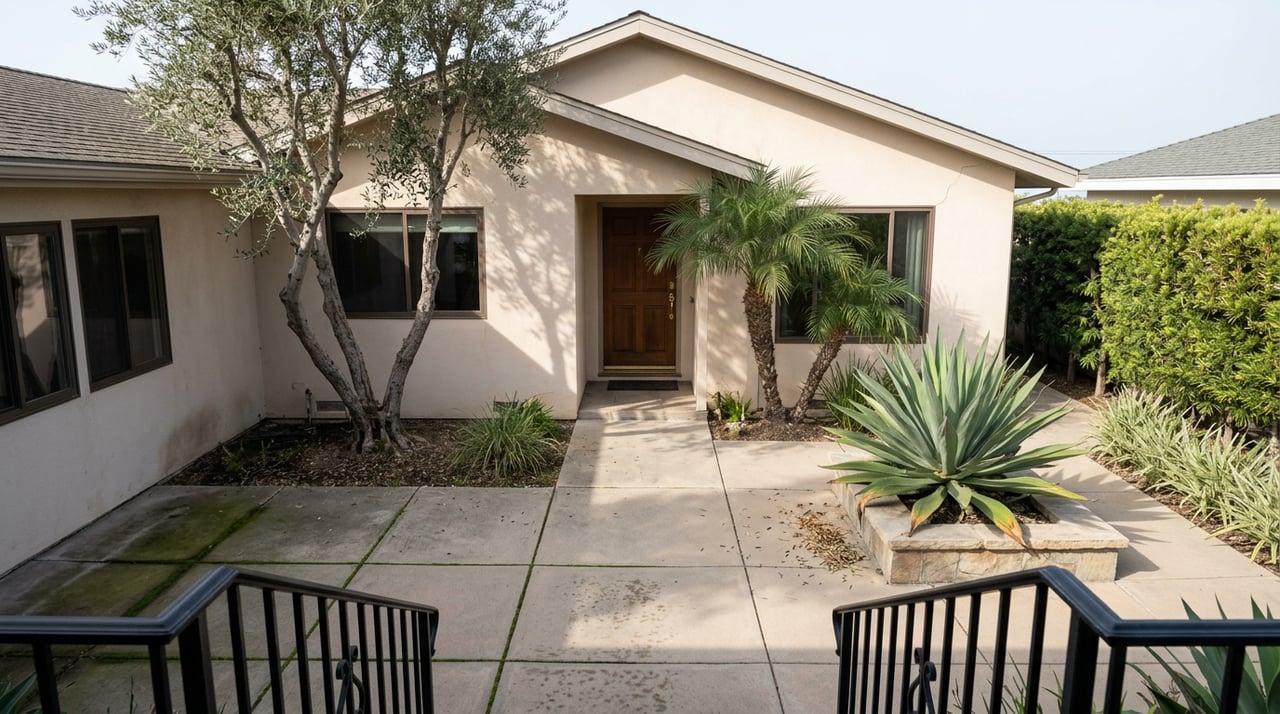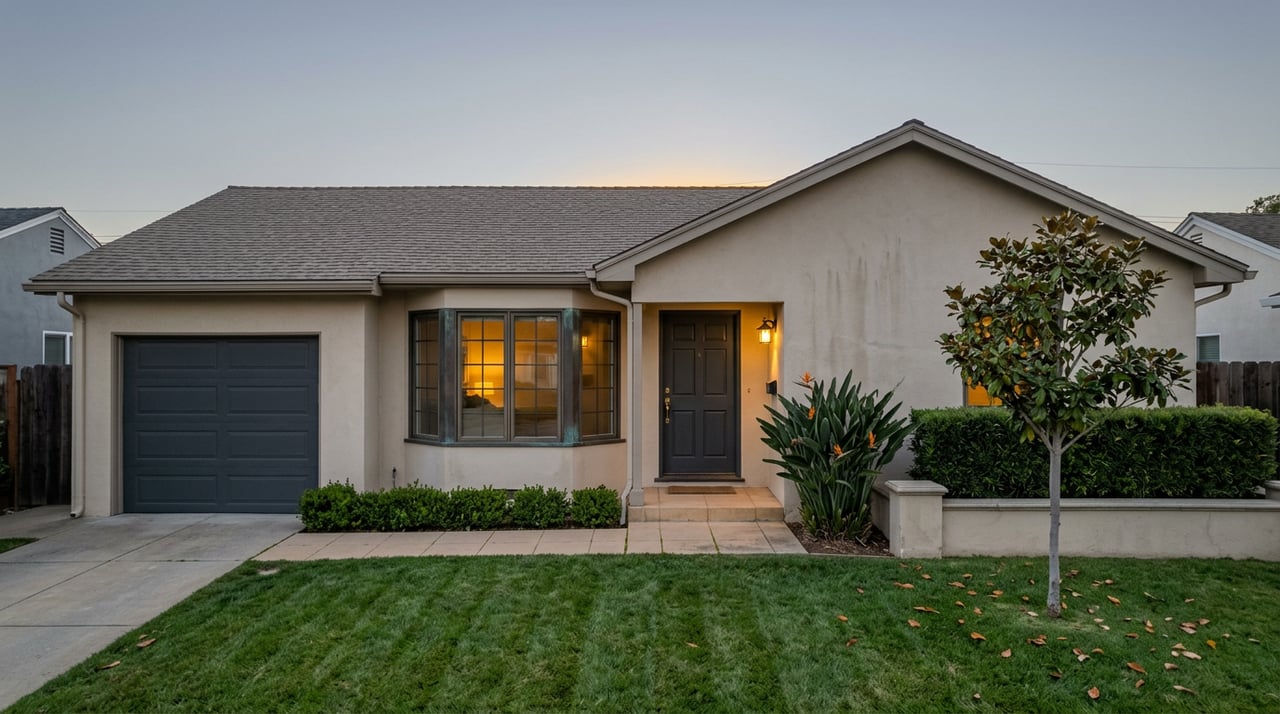
The headlines suggest you can keep your 3% rate through a divorce. Here's what California's new mortgage law actually says, and who it really helps.
There's a lot of buzz right now about California's new divorce mortgage law, and a lot of hope riding on it. Many people are hearing about it and thinking it means they can hold onto their current 3% mortgage if they go through a divorce. It's easy to see why that's the takeaway. Unfortunately, that's not quite how it works, and if you're a homeowner, a family law attorney, or someone helping a friend or family member through a divorce, understanding the distinction really matters.
First, the misconception that changes everything. If you're going through a divorce right now and you already have a mortgage today, this new law probably does not apply to you. It covers certain conventional mortgages originated on or after January 1, 2027, and it does not apply to existing loans taken out before that date. So if you have a mortgage from 2020, 2021, or 2022 and you're hoping this law will automatically let you keep it through your divorce, that's generally not the case. That single timing detail is the whole story, and it's the part the headlines tend to skip.
Why this law was created. One of the hardest parts of a divorce often isn't deciding who wants the house; it's figuring out what happens to the mortgage. Traditionally, if one spouse wants to keep the family home, they usually have to refinance the loan into their own name. That sounds straightforward, until you factor in what's happened with interest rates. Imagine a couple who bought in 2021 and locked in a rate around 2.75%. A few years later, they're divorcing, and one spouse wants to stay in the home. Under the traditional process, that spouse may have to refinance, replacing that 2.75% loan with one at potentially double the rate or more. The monthly payment can jump dramatically, and in many cases a person can comfortably afford the current mortgage but simply cannot afford the new one.
The real-world cost of that. The consequences reach well beyond finances. Families are sometimes forced to sell homes they otherwise could have kept. For parents especially, that can mean more than a move; it can mean changing schools, changing neighborhoods, and losing stability during an already difficult season. That's the exact problem California lawmakers set out to solve.
"The hardest part of a divorce often isn't deciding who wants the house; it's figuring out what happens to the mortgage."
What the new law actually does. It requires certain conventional mortgages originated on or after January 1, 2027, to include provisions allowing for what's called a loan assumption in the event of a divorce. A loan assumption means that, if the lender approves it, the spouse keeping the home may be able to take over the existing mortgage instead of replacing it with a brand-new loan. In other words, they may be able to keep the existing interest rate and loan terms rather than refinancing at today's rates. That's a significant difference, and it could make staying in the family home far more affordable for the person trying to keep it. One important condition: the spouse assuming the loan still has to qualify for it with the lender on their own.
The key takeaway: this is about future loans. It's worth repeating, because it's the part people get wrong. This law is designed to help homeowners who take out qualifying conventional loans on or after January 1, 2027. It is not a blanket solution for people with existing mortgages today, and it isn't retroactive.
Where a local expert comes in. As someone who works with homeowners making real estate decisions during divorce, I can tell you that every situation is genuinely different. Sometimes keeping the home makes sense. Sometimes selling is the smarter financial move. Sometimes a buyout works beautifully, and other times it creates more strain than people expect. The most important thing is understanding all of your options before you decide anything, because real estate is often one of the largest assets involved in a divorce, and the choices made during that process can shape someone's financial future for years. For the legal specifics of your own situation, a family law attorney is the right person to guide you.
If you're facing a divorce, helping a client through one, or simply trying to understand how these new rules may affect future homeowners, I'm always happy to be a resource. Call or text me at 562-316-2915, email me at [email protected], or visit theelmerteam.com.