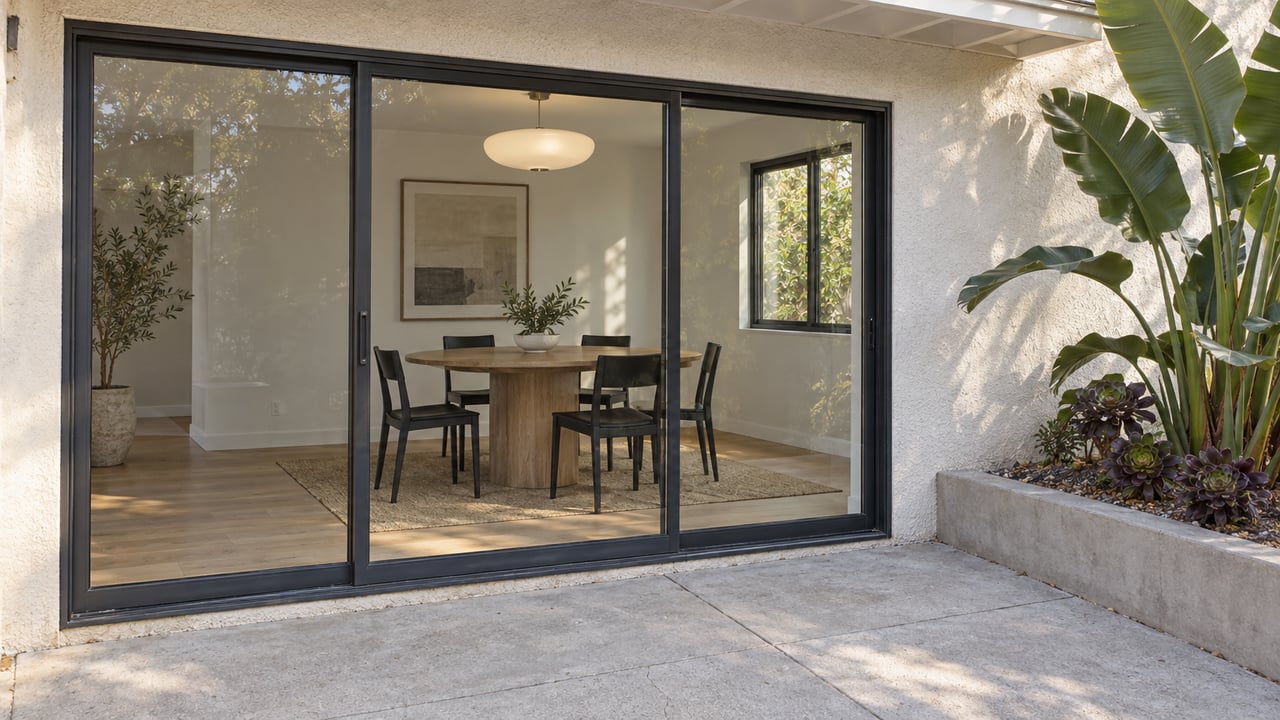
Thinking about buying in Long Beach but torn between a condo and a house? You are not alone. The city blends beachside blocks, urban towers, and quiet inland streets, which means you have great options and real tradeoffs to weigh. In this guide, you will learn how costs, financing, maintenance, lifestyle, and neighborhood fit can point you toward the right choice for you. Let’s dive in.
How the Long Beach market shapes your choice
Long Beach sits inside the Los Angeles–Long Beach–Glendale metro, and neighborhoods vary widely by price, style, and lifestyle. In most areas, single‑family homes sell for more than condos in the same neighborhood due to land value, private yards, and strong demand for detached homes. Condos often provide a lower entry price and a simpler, lower‑maintenance lifestyle, especially in urban or transit‑oriented pockets like Downtown and East Village. For current medians and days on market, check recent market reports or MLS snapshots, since local figures change quickly.
If you value a yard, private parking, and long‑term control over your property, a single‑family home may fit you. If you are drawn to walkability, lower exterior maintenance, and amenities, a condo or townhome can be a smart path into homeownership or a downsizing move. Your budget, time horizon, and neighborhood priorities will guide the rest.
Cost comparison: condo vs house
Your best move is to compare the true all‑in monthly cost for each property type. Use this simple formula:
- Mortgage principal and interest
- Property taxes (California’s Proposition 13 base is roughly 1% of assessed value, plus local assessments and bonds)
- Home insurance (HO‑3/HO‑5 for houses, HO‑6 for condos)
- HOA dues for condos or townhomes
- Utilities
- A monthly maintenance reserve
Condos usually have recurring HOA dues. These can vary widely depending on building age, size, and amenities. In Long Beach, modest buildings may have lower dues, while high‑amenity or elevator buildings tend to be higher. Dues commonly cover common area maintenance, a master insurance policy, water/sewer, trash, landscaping, amenities, and reserve contributions.
Single‑family homes do not have HOA dues in most areas, but you carry full responsibility for exterior upkeep, yard, roof, and major systems. A general planning rule is to set aside 1% to 3% of the home’s value per year for maintenance, adjusted for age and condition.
Financing differences you should know
You can use conventional, FHA, or VA loans for both property types, but condos involve extra project‑level underwriting. Lenders look at the entire condo community and may require:
- Minimum reserve funding and acceptable financials
- Satisfactory owner‑occupancy and rental ratios
- No disqualifying litigation and manageable insurance deductibles
- Acceptable delinquency rates among owners
FHA and VA loans for condos require that the condo project appears on the agencies’ approved lists or meets their project eligibility rules. Rates do not change simply because a property is a condo or a house, but the extra documentation can make a condo loan slower or harder to approve. If you lean condo, get pre‑qualified with a lender who regularly underwrites condos and verify the project’s approval status early.
Maintenance, insurance, and inspections
Ownership responsibilities differ between condos and detached homes.
- Condos: You handle interior items, while the HOA manages common areas and exteriors per the CC&Rs. You will carry an HO‑6 policy for your interior, personal property, loss of use, and liability. The HOA’s master policy covers common areas and the building shell to a defined extent. Review whether the master policy is “all‑in” or “bare walls,” and understand the deductible you could face.
- Single‑family homes: You are responsible for the entire structure, roof, yard, fences, and all systems on the lot. You will carry an HO‑3 or HO‑5 policy to cover the structure and contents.
In California, standard policies do not include earthquake coverage. Long Beach is in a seismic region, so consider earthquake insurance regardless of property type.
Inspection priorities also differ. For condos, focus on the unit interior and seek insight into building systems and exterior elements when possible. For houses, schedule a full home inspection covering roof, foundation, plumbing, electrical, HVAC, and drainage.
HOA due diligence for condo buyers
California’s Davis‑Stirling Common Interest Development Act sets out key disclosures and rules for HOAs. When you are in escrow on a condo, request and review:
- CC&Rs, bylaws, and rules and regulations (including any rental limitations)
- Current operating budget, reserve study, and latest financial statements
- Minutes from recent board meetings
- Insurance declarations for the HOA’s master policy and deductibles
- Delinquency rates and any pending special assessments or fee increases
- Litigation disclosures
Watch for red flags like low reserves, frequent special assessments, high delinquency, pending litigation, or evidence of deferred exterior maintenance. If you plan to rent the unit, confirm the rental policy and any short‑term rental restrictions. The City of Long Beach has its own short‑term rental program and enforcement; always confirm city requirements and HOA rules before you buy.
Neighborhood fit across Long Beach
Choosing between a condo and a house often comes down to neighborhood lifestyle. Here is how different areas tend to line up.
Downtown, East Village, West Long Beach
- Property types: High‑rise and mid‑rise condos, lofts, and some townhomes, with limited single‑family pockets.
- Lifestyle: Strong walkability to dining, shops, and cultural venues, plus access to the Metro A Line connection to Los Angeles.
- Considerations: HOA‑centric living and structured parking realities. Buildings with elevators and amenities may have higher dues.
Belmont Shore, Naples, Alamitos Beach, Belmont Heights
- Property types: Predominantly single‑family homes, including beach cottages, bungalows, and larger properties, plus some small condo buildings.
- Lifestyle: Beach access, active shopping and dining districts, and outdoor recreation along the coast.
- Considerations: Premium pricing and tighter inventory. Understand local parking rules and event‑day impacts.
Bixby Knolls, Los Altos, Wrigley, Long Beach Airport area
- Property types: Primarily single‑family homes with some townhomes and condo communities; a mix of architectural styles and lot sizes.
- Lifestyle: Quieter residential streets with local retail corridors and parks.
- Considerations: If schools are part of your decision, verify current attendance boundaries with the district. Expect more garage and yard space than in denser coastal zones.
North Long Beach and East Long Beach
- Property types: A mix of more affordable single‑family homes and condo complexes compared with beach‑adjacent neighborhoods.
- Lifestyle: Predominantly residential areas with broader value options.
- Considerations: Good for first‑time buyers seeking a lower entry price. Commutes to the beach or Downtown can be longer depending on your route.
Signal Hill (adjacent city)
- Property types: Single‑family homes on the hills, plus condos and townhomes.
- Lifestyle: Elevated lots with basin and ocean views, and a short drive to central Long Beach.
- Considerations: Signal Hill has its own municipal rules and school pathways. Verify differences before you write offers.
A simple decision framework
Use this step‑by‑step path to compare a condo and a house side by side.
- Define non‑negotiables. List your must‑haves, like a private yard, garage, pet needs, bedroom count, commute time, or proximity to the coast.
- Calculate your all‑in monthly cost. Add mortgage principal and interest, property tax, insurance, HOA dues if any, utilities, and a maintenance reserve.
- Align your lifestyle. If you want walkable nightlife and transit, a condo may fit. If you want private outdoor space and independent control, a house may fit.
- Check financing feasibility. Get pre‑approved and confirm condo project eligibility if you are considering a condo.
- Do HOA due diligence. Review budgets, reserve study, minutes, litigation, and rental and short‑term rental rules.
- Inspect thoroughly. For houses, get a full inspection. For condos, inspect the unit and review building condition and reports.
- Consider resale and exit strategy. Look at the buyer pool for your property type in that neighborhood and your likely time horizon.
- Make an offer with smart contingencies. Include loan, inspection, and HOA document review as appropriate.
Common pitfalls to avoid
- Focusing on list price only and ignoring HOA dues or future assessments.
- Assuming the HOA master policy covers everything inside your unit. Verify coverage and deductibles.
- Skipping the reserve study, financials, and meeting minutes.
- Overlooking local parking rules or short‑term rental ordinances that affect your plans.
- Forgetting to compare your all‑in monthly costs for each property on your shortlist.
Which is right for you? Practical scenarios
- You want a walkable, urban lifestyle near dining, transit, and events, with minimal exterior upkeep. A condo or townhome could be the better fit.
- You need a private yard for gardening, pets, or outdoor gatherings, and value long‑term control over improvements. A single‑family home likely serves you best.
- You are a first‑time buyer prioritizing a lower entry price and a central location. A condo in Downtown or East Village may work well if HOA dues fit your budget.
- You prefer quieter streets and plan to stay long term. A single‑family home in Bixby Knolls, Los Altos, or parts of East Long Beach may align with your goals.
Ready to compare homes side by side?
If you want a clear, numbers‑first picture of condo vs house options in your target neighborhoods, we are here to help. Our team pairs local market insight with a process that makes decisions easier, from true cost comparisons to HOA reviews and offer strategy. To see what fits your lifestyle and budget, connect with The Elmer Team for local guidance and next steps.
FAQs
What costs should I include beyond the mortgage in Long Beach?
- Add property tax, home insurance, HOA dues if applicable, utilities, and a monthly maintenance reserve to get your true all‑in housing cost.
How do HOA fees work for Long Beach condos?
- HOA dues vary by building and typically cover common area maintenance, a master insurance policy, some utilities, amenities, and reserves; review budgets and the reserve study before you commit.
Can I use FHA or VA financing to buy a Long Beach condo?
- Yes, but the condo project must meet FHA or VA eligibility rules; confirm project approval early and work with a lender experienced in condo underwriting.
Are short‑term rentals allowed in Long Beach condos?
- The city runs a short‑term rental registration and enforcement program, and many HOAs limit or prohibit STRs; verify both city requirements and HOA rules before you buy.
Do I need earthquake insurance in Long Beach?
- Standard home and condo policies exclude earthquakes; consider a separate earthquake policy for either property type given the region’s seismic risk.
How do resale prospects differ between condos and houses in Long Beach?
- Detached homes tend to attract a wider owner‑occupant buyer pool due to land and privacy, while condos target buyers prioritizing location and low maintenance; neighborhood context and time horizon matter most.