Wondering what it’s really like to live in Lakewood? If you want a city with strong recreation options, practical daily convenience, and a classic Southern California suburban feel, Lakewood stands out for all the right reasons. From neighborhood parks to youth sports to a housing market built largely around single-family homes, this guide will help you understand what makes Lakewood appealing and what to expect if you plan to buy there. Let’s dive in.
Why Lakewood feels distinctly suburban
Lakewood sits in southern Los Angeles County, about 23 miles southeast of Los Angeles, and packs a lot into just 9.5 square miles. According to the city, it had about 77,359 residents in January 2024, along with roughly 150 miles of streets, 300 miles of sidewalks, and more than 36,000 street trees.
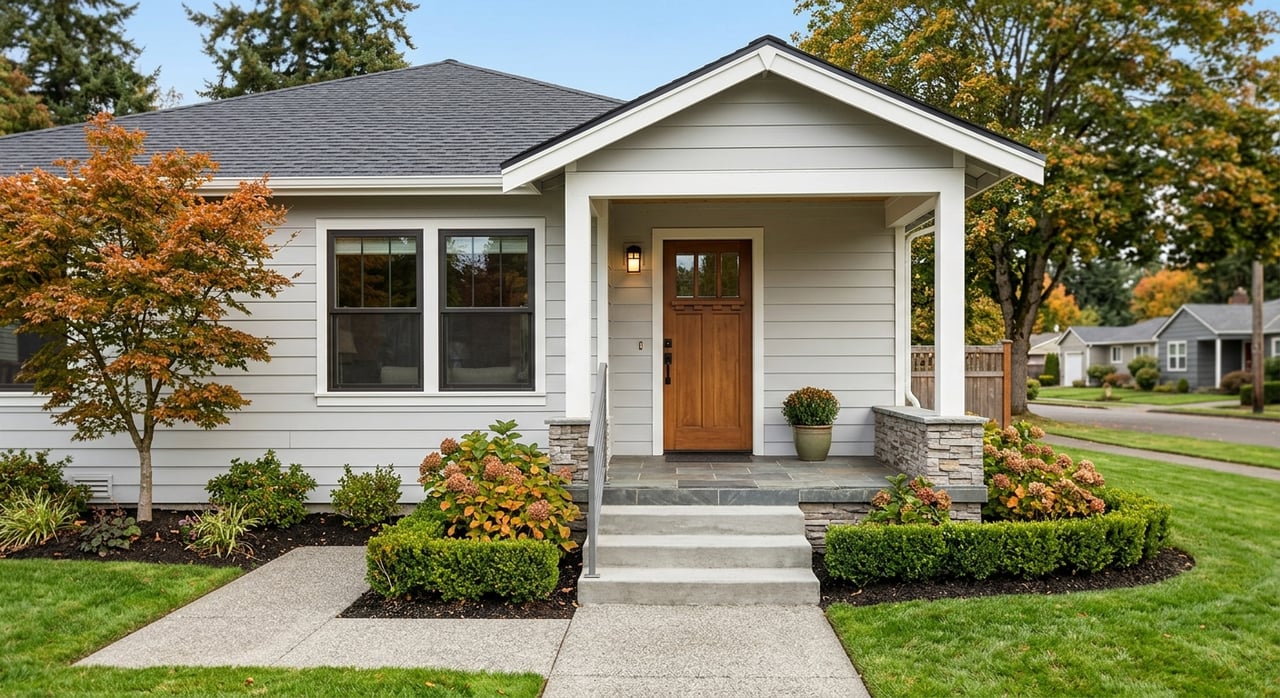
That physical layout shapes daily life in a big way. Lakewood grew out of postwar suburban planning, and the city describes itself as predominantly a single-family community, with 85 percent of housing units in single-family detached structures. If you are looking for a place that feels more residential than urban, that is a major part of Lakewood’s identity.
The city also has a long-established feel. Lakewood incorporated on April 16, 1954, after rapidly developing into a thriving suburban community in the early 1950s. Today, that history still shows up in the city’s block patterns, housing stock, and neighborhood-oriented design.
Parks are part of everyday life
One of Lakewood’s original design features was a park in every neighborhood, and that idea still defines the city. Lakewood says each park offers a mix of playgrounds, game courts, ballfields, picnic shelters, activity rooms, and grass fields, giving residents many ways to spend time outdoors close to home.
The city maintains about 150 acres of parks and landscaped open space. Eight parks are staffed daily for supervision, which reflects how central recreation is to local life. For buyers comparing cities in this part of Los Angeles County, that consistent park access can be a meaningful quality-of-life advantage.
Lakewood also maintains a three-mile nature trail along the west side of the San Gabriel River. If you enjoy walking, biking, or simply having a quiet outdoor route nearby, that trail adds another layer to the city’s recreation mix.
Mayfair Park leads the system
Mayfair Park has served as Lakewood’s flagship recreation facility since 1951. It is one of the city’s most recognized public spaces and helps anchor Lakewood’s reputation as a recreation-focused community.
For many residents, a flagship park matters because it gives the city a central gathering place for activities and events. In Lakewood, Mayfair Park plays that role while also supporting the broader system of neighborhood parks.
Monte Verde Park adds a natural setting
Monte Verde Park offers a different kind of outdoor experience. The city highlights its lodge, amphitheater setting, and nature trail on the west side of the river, along with more than 10,000 annual users.
That mix of features gives the park a more scenic and destination-style feel. If you want outdoor space that goes beyond a standard playground-and-field setup, Monte Verde helps round out what Lakewood offers.
Rynerson Park expands open space
Rynerson Park contributes another 40 acres of open space, plus bike and walking trails and baseball diamonds operated by Lakewood Little League. It is one more example of how recreation in Lakewood is not limited to a few small pocket parks.
For homebuyers, this matters because park access is spread throughout the city rather than concentrated in one area. That can make day-to-day routines easier, especially if outdoor time is part of your household’s regular schedule.
Lakewood has a strong sports culture
Lakewood’s sports identity is unusually deep for a city its size. The city says Lakewood Youth Sports began in 1957, has never charged residents a fee, and averages nearly 900 participants and more than 200 volunteer coaches each season.
That is not just a nice extra. It is part of how the city sees itself. Lakewood was recognized as Sportstown USA in 2004 and has also received Playful City USA recognition.
Today, the city’s programs include Little League baseball, fast pitch softball, Pop Warner football, AYSO soccer, basketball, flag football, volleytennis, adult softball, and Special Olympics partnerships. For buyers who want a city where recreation is woven into community life, this is one of Lakewood’s clearest strengths.
What that means for your lifestyle
A strong youth and community sports system often shapes how a city feels week to week. In Lakewood, fields, courts, and parks are not just visual amenities. They are active parts of daily life.
If you picture weekends spent at a ballfield, afternoons at a playground, or regular access to organized recreation, Lakewood delivers that in a very established way. That can be especially appealing if you want a neighborhood experience centered more on activity and connection than nightlife or dense urban entertainment.
Daily convenience centers on Lakewood Center
Lakewood does not revolve around a traditional downtown core. Instead, much of the city’s day-to-day convenience is tied to Lakewood Center and surrounding retail corridors.
Lakewood Center is the city’s biggest retail anchor and one of the most visited shopping centers in California, according to the mall. It includes major retailers such as Macy’s, JCPenney, Costco, and Target, along with entertainment options like Starlight Cinemas and Round1 Bowling & Arcade.
The center also offers more than 30 fast-casual and sit-down dining options. That means many errands, meals, and casual outings can happen in one area, which fits Lakewood’s practical suburban layout.
Dining is convenient and familiar
The city’s visitor information describes a restaurant row around Lakewood Center that includes George’s Greek Cafe, Mimi’s Cafe, Outback Steakhouse, and Chick-fil-A. This points to a dining scene built more around convenience and accessibility than a dense restaurant district.
For many buyers, that is a feature rather than a drawback. If you value easy parking, familiar services, and retail corridors that simplify errands, Lakewood’s layout can be a strong fit.
Freeway access supports regional mobility
Lakewood Center sits near the 91, 605, and 405 freeways. That location supports access to nearby employment centers, shopping areas, and surrounding communities across the broader region.
If your routine includes commuting or frequent travel around Los Angeles County or into nearby areas, this kind of road access can be a practical benefit. It is another reason Lakewood often appeals to buyers who want suburban comfort with regional connectivity.
What Lakewood housing looks like
Lakewood remains mostly a single-family, owner-occupied market. The latest Census QuickFacts show a 71.4 percent owner-occupied housing unit rate, which supports the city’s reputation as an established residential community.
The same Census data lists the median value of owner-occupied homes at $827,200 and median gross rent at $2,347 for 2020 through 2024. Those figures help frame Lakewood as a city where ownership plays a major role, even as both buying and renting reflect Southern California pricing.
For buyers, the key takeaway is that Lakewood’s housing identity is closely tied to detached homes and established residential blocks. If that is what you are searching for, Lakewood offers a clearer match than many denser nearby markets.
Lakewood home prices are competitive
If you are considering a move here, expect competition. Redfin reports that in May 2026, Lakewood homes received four offers on average, sold in around 28 days, and had a median sale price of $904,459, or about $672 per square foot.
Redfin also reports that 55.1 percent of Lakewood homes sold above list price during that period. In simple terms, Lakewood is not a bargain market, and well-positioned homes can move quickly.
At the same time, Lakewood can still compare favorably with some nearby Long Beach neighborhoods. Redfin’s latest neighborhood medians show Lakewood Village at $1,049,647, Bixby Knolls at $954,679, and Los Cerritos at $1,439,516.
That comparison suggests Lakewood may offer an entry point below some nearby Long Beach submarkets while still giving you access to a strong residential environment. For buyers balancing price, home type, and lifestyle, that can make Lakewood worth a close look.
Who Lakewood may fit best
Lakewood can make sense for buyers who want a classic suburban setting with meaningful recreation infrastructure. The city’s identity is rooted in parks, sports, and neighborhood-oriented living rather than a dense urban core.
It may especially appeal to buyers who prioritize:
- A mostly single-family housing environment
- Frequent access to parks and open space
- Organized sports and recreation programs
- Convenient shopping and dining corridors
- A location with access to major freeways
If your ideal lifestyle includes walkable retail districts and an urban street scene, Lakewood may feel more spread out and car-oriented than what you want. But if suburban comfort, established neighborhoods, and practical convenience are high on your list, Lakewood checks many important boxes.
What to keep in mind before buying
As with any move, fit matters more than hype. Lakewood offers a very specific lifestyle pattern, and that is exactly why many buyers are drawn to it.
Before you buy, it helps to think through how you will actually use the city. Will parks and sports programming be part of your weekly routine? Do you prefer a home-centered neighborhood feel over a more urban environment? Are you comfortable entering a competitive market where many homes sell quickly?
Answering those questions can help you decide whether Lakewood is the right match for your goals. When the fit is right, Lakewood offers a proven blend of residential stability, recreation access, and everyday convenience.
If you are thinking about buying or selling in Lakewood, having local guidance matters. The Elmer Team can help you understand pricing, compare nearby neighborhoods, and build a plan that fits your next move.
FAQs
What is Lakewood, CA known for?
- Lakewood is known for its strong parks and recreation system, deep youth sports culture, and classic postwar suburban layout built largely around single-family homes.
How many parks are in Lakewood, CA?
- The city says Lakewood was designed with a park in every neighborhood and maintains about 150 acres of parks and landscaped open space, with eight parks staffed daily for supervision.
Is Lakewood, CA good for outdoor recreation?
- Lakewood offers playgrounds, game courts, ballfields, picnic shelters, grass fields, a three-mile nature trail along the San Gabriel River, and larger recreation spaces such as Mayfair Park, Monte Verde Park, and Rynerson Park.
What is the Lakewood, CA housing market like?
- Redfin reported that in May 2026 Lakewood was a very competitive market, with homes receiving four offers on average, selling in about 28 days, and posting a median sale price of $904,459.
Is Lakewood, CA mostly single-family housing?
- Yes. The city says 85 percent of housing units are in single-family detached structures, and Census data also shows a high owner-occupied housing rate of 71.4 percent.
What shopping and dining options are in Lakewood, CA?
- Lakewood Center is the city’s main retail hub, with major stores, entertainment uses, and more than 30 dining options, plus additional restaurant choices along nearby retail corridors.