Thinking about living near the Seal Beach marina? You might be picturing sunrise walks to the pier, easy access to the water, and a small-town coastal vibe. If that sounds like your lifestyle, you are in the right place. In this guide, you will learn what marina-area living really looks like, from boating logistics to HOA rules, parking, and daily conveniences. Let’s dive in.
Where the marina fits
Seal Beach is a small coastal city at the northern edge of Orange County, part of the Anaheim–Santa Ana–Irvine metro area. The population was roughly 25,000 at the 2020 U.S. Census. The marina sits near the pier and Main Street, with nearby residential pockets often called the Marina District. You are close to Long Beach to the northwest and Huntington Beach to the southeast.
Getting around town
Regional travel is mostly by car, with freeway access to the 405 via surface streets. Local bus service is available, but there is no rail line within the city. For flights, most residents use John Wayne Airport in Orange County or LAX, and drive times vary a lot with traffic. If you value a walkable lifestyle for daily errands, the Main Street and pier area offers the best pedestrian access.
Life on the water
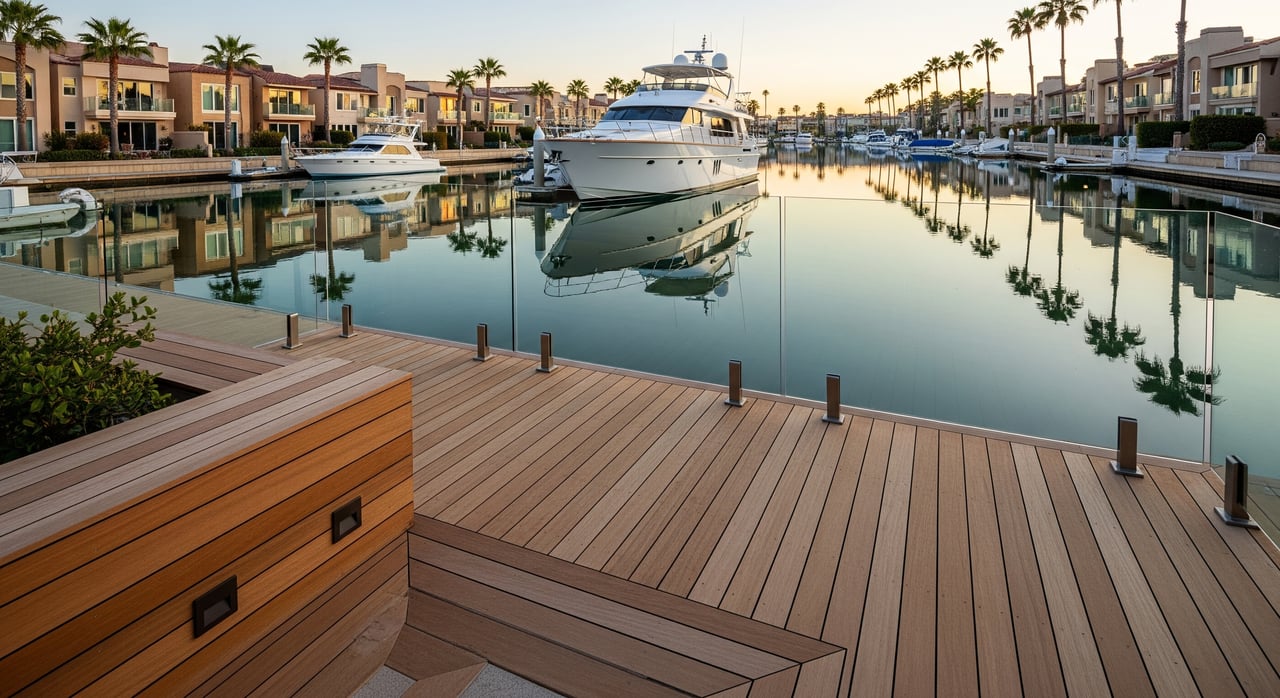
Seal Beach’s harbor and marina provide slip access and a waterfront setting for boaters. Operational details such as slip counts, guest docking, fueling and pump-out, and hours can change, and they are managed locally. Always confirm the latest policies with the city or the marina office before you plan. If a property advertises a slip, verify whether it is deeded, assigned by the HOA, or leased through the marina.
Naval station and boating routes
The city is adjacent to a Naval Weapons Station with related restricted areas. That can affect local boating routes, speed limits, and access zones. Check local maritime advisories and charted restrictions so you know where you can travel safely and legally.
Practical boating tips
- Ask about insurance requirements for your vessel and any limits on size or type of boat.
- Review rules for in-water work and appearance standards, which are common in marinas and HOAs.
- Map out where you will fuel, haul out, and find mechanical services, since some support may be in neighboring harbors.
- Talk with local yacht clubs or the harbor master about currents, tides, and the quickest way to the open ocean.
Main Street lifestyle
If you live near the marina, Main Street is your walkable hub. You will find locally owned restaurants, cafes, boutiques, and bars in a compact area. The pier and the beach add year-round recreation like surfing and fishing from the pier. The vibe is more small-town than larger Orange County beach cities, which many residents prefer.
Daily conveniences
You can walk to dining and shops near the pier, and you will find more grocery, pharmacy, and service options within a short drive. Parks, beachfront promenades, and regional bike routes connect you to nearby coastal neighborhoods. If you work from home, the setting offers a nice balance of quiet weekdays and livelier weekends.
Seasonality, crowds, and parking
Expect a noticeable bump in visitors during summer and holidays. Traffic, street parking, and foot traffic increase around the beach, Main Street, and marina areas. Nightlife is more modest than in larger nearby cities, but evening activity can create parking demand. If you are buying, visit at different times and days to see how noise and parking feel to you.
Housing types and HOA basics
Near the marina you will see a mix of single-family homes, duplexes, townhomes, and condominiums. Many near-water homes are part of HOAs that manage exterior appearance, shared areas, and sometimes docks or boat storage. Waterfront and near-water properties usually carry a premium because of views, beach access, and, when available, slip options. Review HOA CC&Rs, budgets, reserve studies, and meeting minutes to understand rules and financial health.
Boat and dock rules to verify
- Are there limits on boat length, beam, or type?
- How are slips assigned, and do they convey at sale?
- What guest docking rules apply for friends and family?
- What proof of vessel insurance is required, and at what limits?
Insurance and coastal risk
Coastal homes are more likely to fall within FEMA flood zones. Lenders may require flood insurance, and premiums can vary based on property elevation and zone. Planning documents from NOAA and the California Coastal Commission highlight long-term risks from sea-level rise and storm surge, and insurers are paying closer attention to these issues. Get homeowner and flood insurance quotes early so you can plan your budget.
Market dynamics near the water
Coastal Orange County generally commands higher prices than inland areas, and inventory near marinas and beaches can be limited. That can create competitive conditions in desirable seasons. Days on market and pricing trends change over time, so review current local data when you are ready to act. If a property includes a slip or has direct water proximity, expect pricing to reflect that premium.
Buying checklist for marina living
Use this checklist as you evaluate properties near the Seal Beach marina:
- Confirm slip ownership or assignment and how it will convey in escrow.
- Review HOA CC&Rs, recent meeting minutes, reserve study, and financials.
- Obtain current insurance quotes, including flood coverage if required.
- Check FEMA flood maps and regional sea-level rise or storm-surge planning resources.
- Visit weekdays and weekends, daytime and evening, to evaluate noise, parking, and crowds.
- Verify local parking rules and guest parking capacity for your building or block.
- Ask about nearby marine services, fueling, haul-out, and chandlery options.
Selling tips for marina-area owners
If you are preparing to sell, plan for coastal-specific disclosures and documentation:
- Gather HOA documents, budgets, reserve studies, and any special assessment history.
- Document slip status, including deeds, leases, or HOA assignment letters, and plan a clear conveyance process.
- Provide any information you have on flood zone designation or past storm impacts.
- Work with your listing agent on recent comparable sales for marina-adjacent homes versus nearby but non-marina properties.
Local contacts to consult
When you are serious about buying or selling, connect with local resources:
- City of Seal Beach Planning and Building for zoning and permits.
- Harbor or marina office for slip policy, transient dock options, and harbor rules.
- Seal Beach Police Department non-emergency line for neighborhood ordinances.
- FEMA, NOAA, and the California Coastal Commission for flood and coastal hazard context.
- Your HOA management company or board for CC&Rs, financials, and boat rules.
- A local real estate team and title company for comps, easements, and disclosure guidance.
Seal Beach vs. nearby beach towns
Choosing between coastal cities comes down to scale, services, and boating needs. Seal Beach offers a compact, walkable Main Street and a smaller, quieter feel compared to larger beach cities. Huntington Beach typically has bigger beaches and a broader commercial scene, which can be busier in peak season. Long Beach areas like Belmont Shore and the bayside neighborhoods feel more urban with larger marinas and cultural amenities.
If you prioritize a smaller downtown and easy walks to the pier and beach, Seal Beach stands out. If you want extensive yachting infrastructure or a broader nightlife and shopping scene, nearby cities provide more options. Clarify what matters most to you, whether that is a deeded slip, quick ocean access, or a calmer neighborhood setting.
Is marina living right for you?
If you love the idea of salty air, morning strolls to the pier, and being close to the water, the marina area may fit your lifestyle. Plan ahead for HOA rules, seasonal parking patterns, and insurance needs so there are no surprises. With a clear plan, you can enjoy the best of a small beach town while staying connected to Greater Orange County.
Ready to explore homes near the marina or want a pricing plan for your property? Reach out to The Elmer Team for local guidance, a streamlined process, and market insights tailored to your goals.
FAQs
What should first-time Seal Beach boaters know about the marina?
- Policies for slips, guest docking, fueling, and pump-out are managed locally, so confirm current rules with the marina office and review any HOA requirements for your property.
How busy does the marina area get in summer?
- Expect higher beach and Main Street visitation in summer and holidays, which increases traffic and parking demand near the marina and pier.
Do marina-area condos typically include boat slips?
- Some properties include deeded or assigned slips and others rely on marina leasing or waitlists, so verify slip status and whether it conveys with the sale.
Will I need flood insurance near the Seal Beach marina?
- Many coastal homes fall within FEMA flood zones, and your lender may require flood insurance, so check your property’s zone and get quotes early.
How does Seal Beach compare to Huntington Beach or Long Beach for lifestyle?
- Seal Beach offers a smaller, walkable downtown and a quieter feel, while Huntington Beach and parts of Long Beach provide larger beaches, marinas, and more urban amenities.