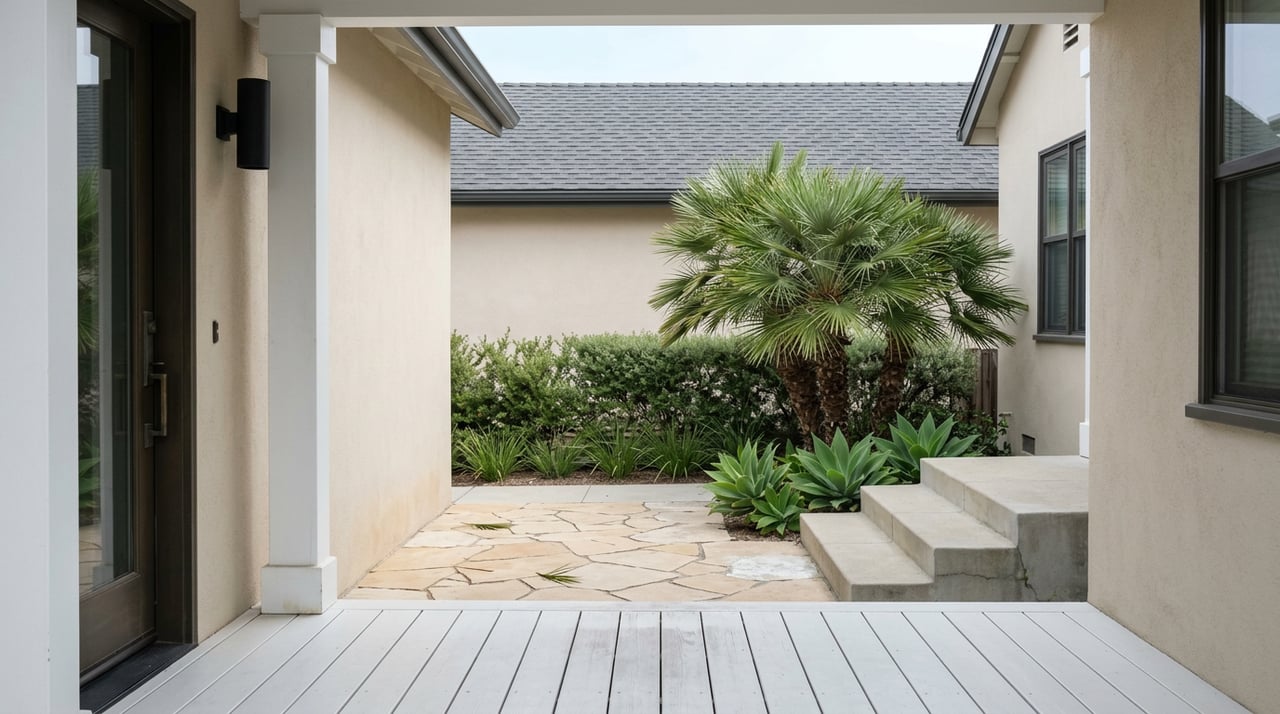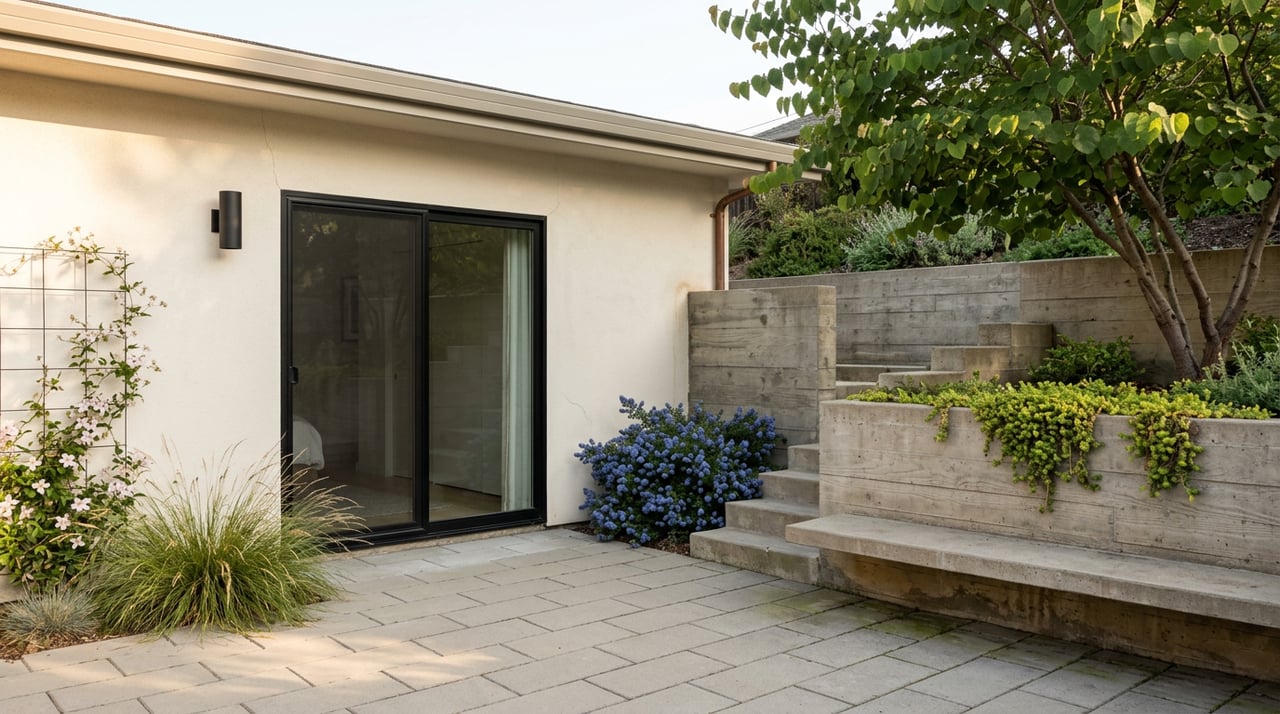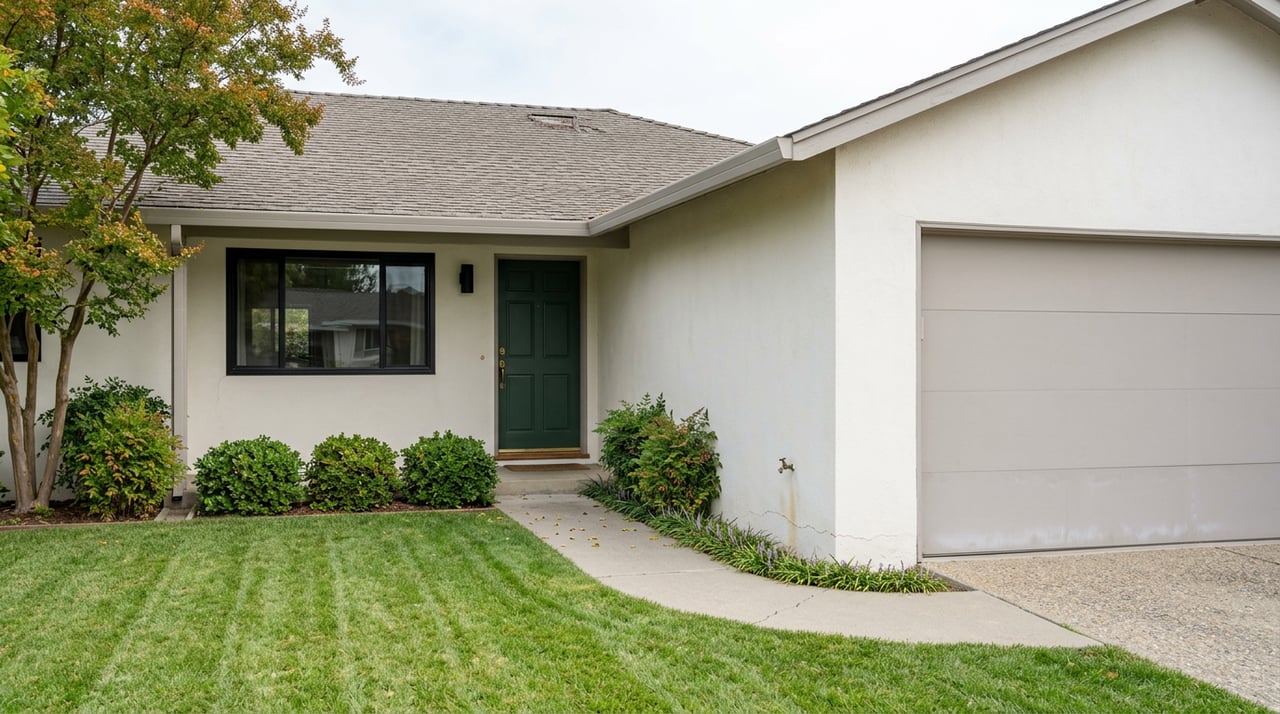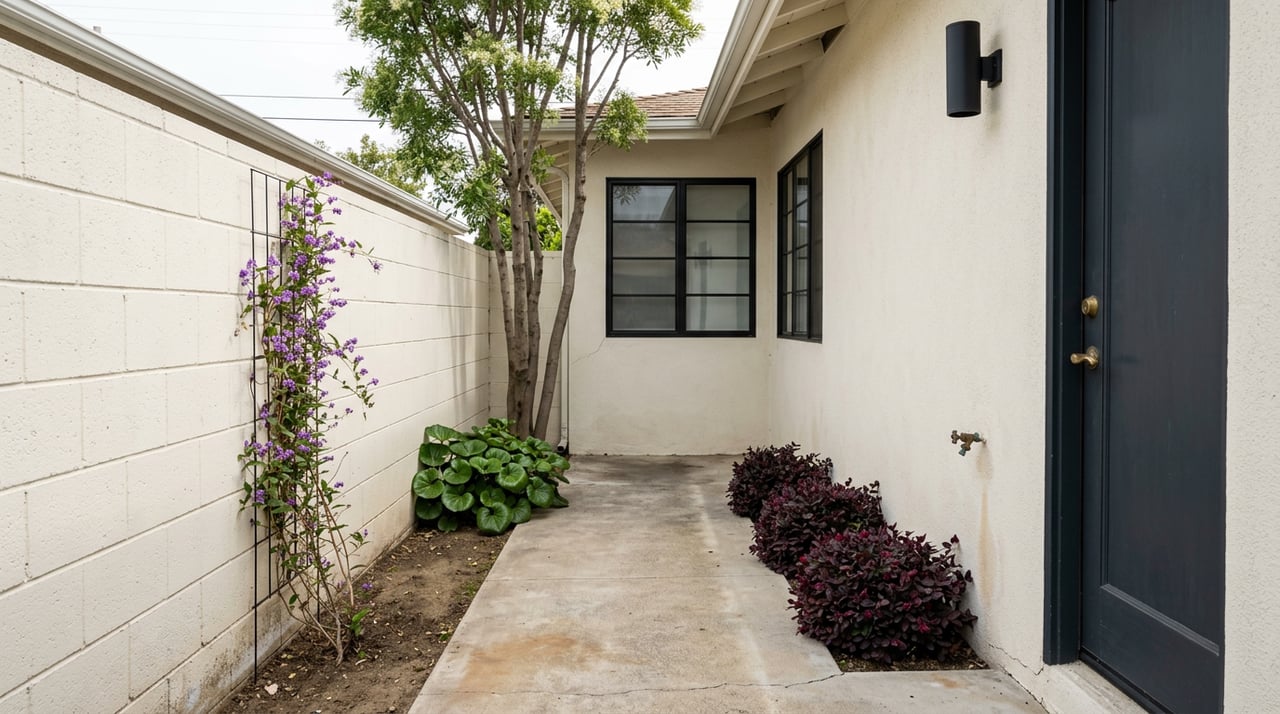
Walk into an open house on almost any street west of Lakewood Boulevard and the surfaces will tell you the house has been cared for. Quartz counters. Refinished oak floors. A tankless water heater tucked into the garage. It reads as move-in ready, and in most rooms it is.
Then the inspector gets under the sink, into the attic, or down the cleanout, and the report comes back describing a house from a different decade entirely. Buyers are often surprised by this gap. Sellers are sometimes surprised too, especially if they inherited the house or bought it themselves twenty years ago and never had reason to look. The surprise itself is the thing worth understanding, because it isn't random. It's a direct result of how Lakewood got built in the first place.
One Neighborhood, One Build Date
Most Southern California suburbs grew in overlapping waves over thirty or forty years, so their housing stock ages unevenly. A block built in 1958 sits next to one from 1971, and the systems in each fail on their own separate schedules.
Lakewood didn't grow that way. Construction crews broke ground on what would become the city in 1950 and worked in essentially assembly-line fashion, framing roughly fifty houses a day across roughly 3,500 acres until about 17,500 homes existed where a sugar beet field had been three years earlier. The pace was fast enough and the community large enough that residents chose to incorporate as their own city in 1954 rather than be annexed by Long Beach, a decision spelled out in the contract-services arrangement historians still call the Lakewood Plan.
That speed is why the housing stock reads so uniformly today. It also means the plumbing, wiring, and heating systems installed across almost the entire city share the same birth year. A neighborhood that grows in phases ages in phases. A neighborhood built in three years ages all at once.
The Kitchen Remodel Doesn't Touch the Drain Line
Here's the part that catches people off guard: a house can be genuinely, thoroughly updated on every surface a buyer walks through and still be running original infrastructure underneath. Seventy-plus years gives an owner plenty of opportunity to replace a kitchen twice. It does not automatically give them a reason to replace a drain line that isn't visibly leaking yet.
Cast iron waste pipe, the standard drainage material used in 1950s construction, carries a design life of roughly 40 to 50 years when properly installed and sloped. Lakewood's original housing stock is now 73 to 76 years old. That means most of the drain lines under these homes have already outlived their intended service life by two to three decades, kitchen remodel or no kitchen remodel. The pipe can look fine from the outside and still be corroding from the inside, which is exactly why a camera scope, not a visual check, is the only way to actually know.
The same mismatch shows up in other systems that don't get touched by a typical cosmetic remodel:
| System | What Usually Gets Updated | What's Often Still Original |
|---|---|---|
| Kitchen | Counters, cabinets, appliances, flooring | Supply line stub-outs behind the wall |
| Bathroom | Vanity, tile, fixtures | Cast iron drain line beneath the slab |
| Electrical | Swapped outlets, a dedicated kitchen circuit | Original panel amperage, sections of house wiring |
| Garage | Converted to a bedroom, office, or den | Fire-rated wall and door separating it from the house |
Original electrical service in these homes was sized for a household without central air, a dishwasher, multiple televisions, or an EV charger, because none of that existed yet at roughly 1,100 square feet per house. Two-wire, non-grounding circuits were standard for the era. Some homes still carry Federal Pacific or Zinsco panels, brands that home inspectors across the region now flag on sight because of documented safety concerns, not because of anything specific to this house.
What This Looks Like on an Actual Inspection Report
None of this means a Lakewood house is a bad buy. It means the report tends to raise a consistent, predictable set of items rather than a random one:
- Galvanized supply piping showing internal corrosion or reduced water pressure
- Cast iron waste lines recommended for a professional camera scope before close
- Original or near-original panels, sometimes still Federal Pacific or Zinsco, flagged for electrician evaluation
- Converted garages missing the fire-rated wall or door required between living space and what used to be a garage
That last one deserves its own mention because converting the attached garage into a bonus room, office, or extra bedroom has been common enough in Lakewood over seven decades that it's almost expected on a resale, and it frequently comes with a gap in the fire separation that the original garage wall was built to provide.
A Fast Market Doesn't Leave Much Room to Find This Out Late
None of this happens in a slow market where a buyer has weeks to sort it out. Lakewood in 2026 has been moving quickly. Over the three months ending in April 2026, homes sold at a median price of $895,000, up 5.2% from the same period a year earlier, with a median of 31 days on market. A hundred and twenty-three homes sold that April alone, up from 110 the year before. A separate home value index, updated at the end of May 2026, put the typical Lakewood home value closer to $803,000, a reminder that a sales median and a value index estimate answer different questions and rarely land on the same number, but the direction across sources agrees: demand has stayed strong and inventory tight.
Separate market data from March 2026 put more than 55% of Lakewood homes selling above their asking price, with the average sale landing above 100% of list and only about two months of supply on the market. That combination gives sellers real leverage and gives buyers less time to build a full picture of a house before writing an offer.
That's the part that matters for anyone actually transacting right now. In a market this fast, the inspection contingency period is often the only window a buyer gets to catch a fifty-year-old drain line or an unpermitted garage conversion before it becomes their problem instead of the seller's. Waiting to think about it until the report lands is waiting too long. The smarter move is going in already knowing what this specific housing stock tends to hide, so the negotiation over repair credits happens from a position of information rather than surprise.
What Sellers Can Do Before It Becomes a Renegotiation
A seller who understands this dynamic has an advantage over one who doesn't. Ordering a sewer scope before listing, rather than waiting for a buyer's inspector to request one mid-escrow, turns a potential renegotiation into a disclosed condition the price already reflects. The same goes for having an electrician confirm panel type and amperage ahead of time, especially on a home that still shows an older brand name on the panel door.
None of this requires a full system replacement before selling. It requires knowing what's likely to come up and deciding, ahead of time, whether to price around it, credit for it, or repair it. That's a different negotiating position than finding out for the first time when a buyer's inspector calls with bad news on day nine of a ten-day contingency.
FAQ
Does every Lakewood house need a sewer scope? Not every house, but any house that still has its original waste line, which describes a large share of the stock, benefits from one. A scope is the only reliable way to see the actual condition of cast iron pipe from the inside.
If the kitchen and bathrooms have been remodeled, does that mean the plumbing was replaced too? Not necessarily. A cosmetic remodel commonly replaces fixtures and finishes without touching the supply or waste lines behind the wall or under the slab, which is exactly why the two can be out of sync.
Is this only a Lakewood issue? The underlying systems age out everywhere. What makes Lakewood distinct is that nearly the entire city was built within the same three-year window, so the same categories of original infrastructure tend to reach the end of their design life across many homes at roughly the same time, rather than trickling in gradually the way it would in a suburb built over several decades.
Buying or selling a Lakewood home means dealing with a housing stock that has a genuinely unusual history, and that history has real, predictable consequences for what shows up in an inspection report. The Elmer Team has spent two decades managing Long Beach and South Bay transactions through exactly this kind of detail, coordinating inspections, negotiating repair credits, and keeping escrow on schedule when a report comes back with items like these. If you're thinking about a move in Lakewood, get your instant home valuation and let's talk through what your specific house is likely to show before an offer is on the table.