33,320 people live in Virginia Country Club, where the median age is 41.1 and the average individual income is $50,198. Data provided by the U.S. Census Bureau.
Total Population
Median Age
Population Density Population Density This is the number of people per square mile in a neighborhood.
Average individual Income
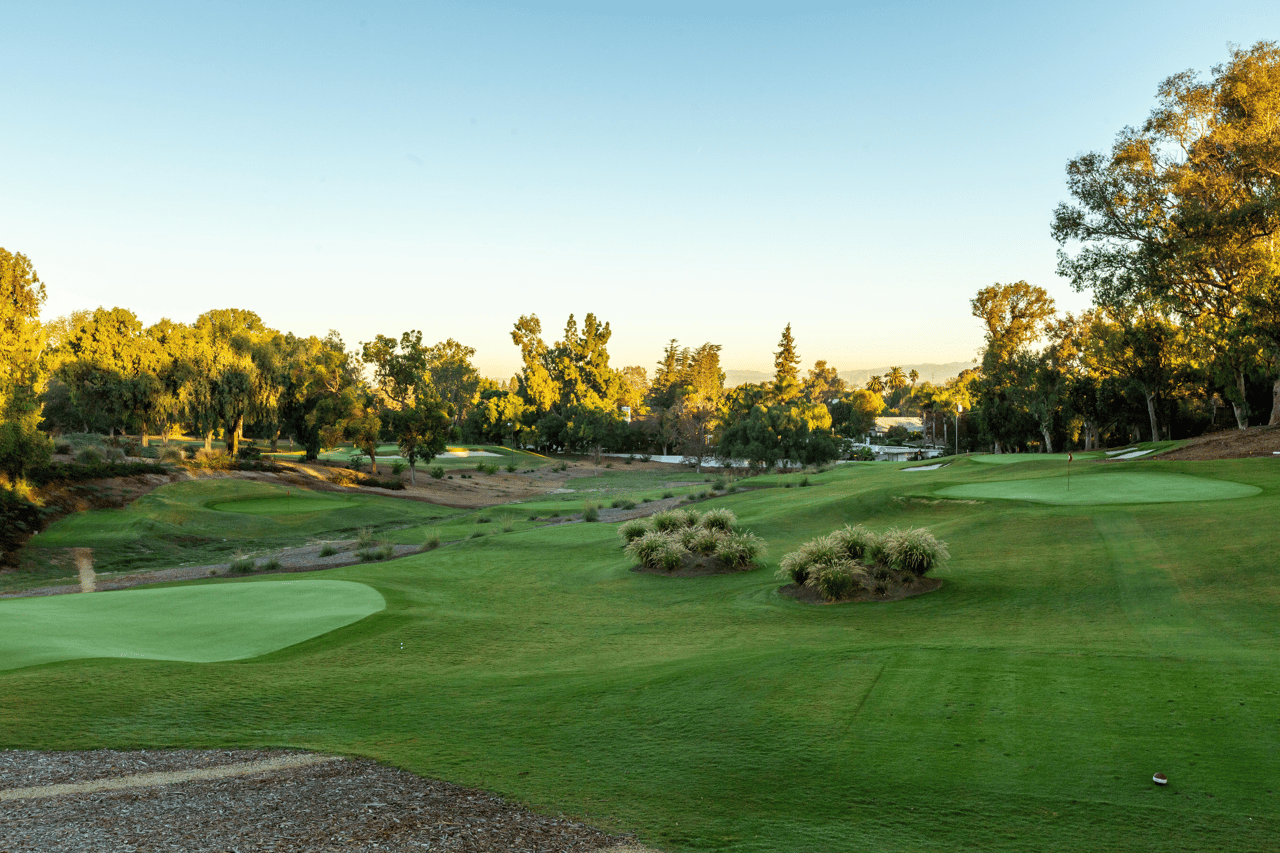
Tucked into the northern reaches of Long Beach, wrapped around the manicured fairways of a private 18-hole championship golf course, the Virginia Country Club neighborhood is where the city keeps its quiet grandeur. Locals often use the name interchangeably with Los Cerritos, and either way, the reference is understood: this is old-money Southern California, a place of custom estates on deep, tree-shaded lots where homes pass through families across generations rather than trading hands every few years.
What sets this enclave apart isn't a single feature but the rare combination of them. You get the architectural pedigree of a preserved historic district, the seclusion of a community buffered by golf fairways and the Los Angeles River corridor, and the practical advantage of sitting within easy reach of both Los Angeles and Orange County job centers. For buyers who have looked everywhere else in Long Beach and felt something was missing, this neighborhood usually turns out to be the thing they were describing without a name for it.
The land beneath these streets carries nearly two centuries of California history. In the 1840s it formed part of Rancho Los Cerritos, a sprawling 27,000-acre Spanish land grant that John Temple purchased in 1843. Temple built a Monterey-style adobe in 1844 that still stands in the heart of the neighborhood today, now recognized as a national historic landmark and one of the oldest structures in the region.
The Bixby family later acquired the ranch and worked it as a sheep operation through the mid-nineteenth century. The residential neighborhood as we know it began taking shape in October 1906, when 330 acres surrounding the old adobe were subdivided as the Los Cerritos tract, opening grand lots to development.
The country club that gives the area its name arrived shortly after. Originally incorporated in 1909 to serve guests of Long Beach's luxurious Hotel Virginia, the Virginia Country Club relocated to its permanent site in 1921. Celebrated golf architects including Willie Watson, A.W. Tillinghast, and William P. Bell shaped the championship course, and the surrounding streets quickly became the address of choice for oil executives, attorneys, and civic leaders. That timeless, cinematic quality has kept the neighborhood in demand with filmmakers, too. It famously served as Ferris Bueller's home in Ferris Bueller's Day Off, and appeared in Donnie Darko, American Pie, and Red Dragon.
Step onto these streets and the shift in atmosphere is immediate. Wide, gently winding avenues run beneath a canopy of mature eucalyptus and palms. Homes sit far back from the curb behind deep setbacks and expansive private lots, giving the whole area a park-like calm that feels a world away from the density of coastal Long Beach. One longtime observer described it as a museum of American residential architecture set under a canopy of old trees, and the phrase fits.
The defining quality here is architectural individuality. Rather than the repetition of a master-planned tract, nearly every residence is custom-built, and the streetscape reads as a walkable survey of a century's worth of design, from Spanish Colonial Revival to Tudor to Craftsman to Mid-Century Modern. Renowned architects such as Greene & Greene and Kirtland Cutter designed notable homes in the area.
There's also a paradox at the center of the neighborhood's appeal: it feels both secluded and connected. Ringed by golf fairways and the river corridor, the community holds onto a tight-knit, tucked-away feeling, yet residents are minutes from the restaurants and boutiques of neighboring Bixby Knolls and moments from the freeways that link the whole Los Angeles–Orange County corridor.
Because the neighborhood filled in gradually over roughly a hundred years rather than all at once, it functions as a living showcase of early-to-mid twentieth-century American residential design. That history is the single biggest reason buyers fall in love here, and it's worth understanding what you're actually looking at as you tour homes.
Spanish Colonial and Mission Revival homes are among the most recognizable, with red clay tile roofs, white stucco exteriors, arched doorways, wrought-iron accents, and interior courtyards that echo the aesthetic of the 1844 Rancho Los Cerritos adobe just up the street. Tudor Revival residences bring a grand, old-world presence through steeply pitched gable roofs, prominent brick or stone chimneys, decorative half-timbering, and leaded-glass casement windows. Craftsman and period bungalows, drawn from the Arts and Crafts movement, offer low rooflines, broad eaves with exposed rafters, deep front porches, and the kind of handcrafted interior woodwork that's nearly impossible to reproduce today.
As the neighborhood continued to fill in through the 1950s and '60s, Mid-Century Modern and California Ranch homes joined the mix, with horizontal profiles, floor-to-ceiling glass, exposed ceiling beams, and indoor-outdoor living, many of them angled to capture views across the fairways. And within the broader community sit a handful of small gated pockets, such as La Linda Drive, where grand estates occupy double lots behind wrought-iron gates.
This is one of the most exclusive and highest-valued residential markets in all of Long Beach, and it behaves differently from the rest of the city. The defining feature is scarcity: homes are frequently held within families for decades, so inventory stays extremely tight and well-priced listings tend to move quickly.
Here is a snapshot of what buyers can generally expect, though every property is unique and current figures shift with the market:
Market Metric | Neighborhood Standard |
|---|---|
Price Range | Typically $1.5 million to $4.0+ million, varying by square footage, lot size, and fairway proximity |
Price per Sq. Ft. | Roughly $600–$800+ depending on architectural significance and level of restoration |
Lot Sizes | Generous for Southern California, often 10,000 sq. ft. to over half an acre |
Inventory & Turnover | Extremely low, with homes often held in families for decades |
A few factors drive value beyond the raw numbers. Properties backing directly onto the golf course or immediate greenbelts carry a meaningful "fairway premium." Many homes fall within historic preservation zones or hold Mills Act tax contracts, which can offer significant property-tax incentives in exchange for maintaining the home's historic integrity. And the combination of large lots, quiet streets, proximity to the private club, and freeway access to major employment hubs keeps demand consistently ahead of supply.
Life along the fairways follows a distinctly resort-like rhythm built on privacy and greenery. The private club, anchored by an 18-hole championship course first designed by William Watson in 1921 and later refined by A.W. Tillinghast and Todd Eckenrode, serves as the social heart of the enclave. For members, a round of golf, a tennis match on hard or clay courts, a swim, or dinner at the clubhouse is only minutes from the front door.
You don't have to be a member to feel the benefit, though. Homes along the fairway perimeter look out over manicured greens and rolling fairways, delivering a sense of open space that's genuinely rare in urban Southern California. Because the course acts as a natural geographic buffer, street traffic stays remarkably light. Mornings tend to belong to early golfers and neighbors walking dogs beneath the tree canopy, and evenings and weekends are quiet.
One important note for buyers, which I'll return to later: living in the neighborhood, even directly on the fairway, does not grant membership to the club itself. The two are entirely separate.
Even though the club grounds dominate the center of the neighborhood, public green space is woven throughout the surrounding area. At the literal heart of the community sits the Rancho Los Cerritos Historic Site, a 4.8-acre park and public museum on the grounds of that original 1844 adobe. Its historic Italian gardens, planted with vintage olive, pomegranate, and cypress trees, offer quiet walking paths, shaded picnic spots, bird-watching tours, and regular cultural events.
Just blocks from the club perimeter, Los Cerritos Park is the more everyday gathering place, with open grass fields under large trees, tennis and pickleball courts, playground equipment, picnic areas, and a steady calendar of youth sports and seasonal outdoor concerts.
For anyone who runs, rides, or walks for distance, the Los Angeles River Bike Path along the neighborhood's western edge provides miles of uninterrupted paved trail, heading south toward Shoreline Village or north toward Los Angeles. And while the setting is comfortably inland, away from beach traffic, the Long Beach waterfront, marina, and local beaches are only about a fifteen-minute drive.
Education is one of the neighborhood's genuine selling points, and families weigh it heavily. The area falls within the Long Beach Unified School District, a nationally recognized public system.
At the elementary level, Los Cerritos Elementary sits right in the neighborhood and is a highly regarded California Distinguished School, known for strong community involvement, a small-school feel, and a hands-on "Urban Farmyard" learning garden that sets it apart. Students typically continue to Hughes Middle School in nearby Bixby Knolls, which offers solid academics and robust STEM programming. For high school, the pathway leads to Long Beach Polytechnic High School or Jordan High School, with many local students drawn to Poly's prestigious PACE program and specialized academies. The district also runs a high school choice program, opening the door to magnet options like CAMS (the California Academy of Mathematics and Science) and Sato Academy.
Private and parochial options round out the picture. St. Barnabas Parish School serves the immediate area from preschool through eighth grade, St. Anthony High School offers a college-preparatory Catholic education nearby in downtown Long Beach, and Westerley School is a well-regarded independent, non-sectarian school a short drive away.
The neighborhood itself is purely residential, and that's by design, but it borders Bixby Knolls, which means the everyday amenities are close without ever intruding on the quiet. The commercial spine runs along Atlantic Avenue and Long Beach Boulevard.
Atlantic Avenue functions as the area's main street, home to the monthly First Fridays celebration and a lineup of boutique coffee shops, craft breweries, and chef-driven restaurants. Neighborhood staples include Bixby's Brooklyn Deli, Rasselbock Kitchen for German food and craft beer, Patricia's Restaurant for classic Mexican, and SteelCraft Bixby Knolls, a popular open-air dining space built entirely from shipping containers, with local food vendors, craft beer, and wine.
For daily needs, residents have quick access to Trader Joe's, Smart & Final Extra!, and Whole Foods, along with local specialty markets. The Long Beach Exchange (LBX) offers modern retail, fitness studios, and an expansive food hall called The Hangar, while the Bixby Knolls Shopping Center handles routine errands. And healthcare is genuinely close by: MemorialCare Long Beach Medical Center and Long Beach Memorial are less than ten minutes away, with full-service care and emergency facilities.
For all its secluded feel, one of the neighborhood's most practical advantages is location. Sitting in northern Long Beach, it lands in a sweet spot for anyone who needs to reach both Los Angeles and Orange County.
The I-405 borders the neighborhood to the south, providing direct access east toward Orange County, including John Wayne Airport and Irvine, and west and north toward the South Bay, West Los Angeles, and LAX. The I-710 runs along the western edge and connects north to Downtown Los Angeles and the region's inland freeway network, or south into Downtown Long Beach and the port.
Air and rail access are equally convenient. Long Beach Airport is roughly ten minutes east and offers commercial travel without the scale and congestion of LAX. Nearby Metro A Line stations, such as Wardlow and Del Amo, provide a park-and-ride connection into Downtown Los Angeles or down toward the Long Beach waterfront. Downtown Long Beach itself is about a twelve-minute drive south.
Because of the price tier and the neighborhood's deeply established character, the community skews toward residents who plan to stay. Pride of ownership runs high, and it's common to meet homeowners who have lived here for twenty, thirty, or forty-plus years, sometimes alongside other family members who bought within a few blocks.
Many residents are established professionals and business leaders, corporate executives, attorneys, physicians, entrepreneurs, and port and logistics executives, who value the large lots, quiet streets, and proximity to major employment centers. The strong local schools and walkable streets also attract active families looking for a traditional, rooted neighborhood experience. And a particular subset of buyers comes specifically for what makes the area singular: architecture enthusiasts drawn to one-of-a-kind historic homes with real provenance, and golf lovers who want clubhouse living in their own backyard.
Buying here is a significant investment, and going in with clear expectations makes the process far smoother. A few realities are specific to this neighborhood and worth understanding before you fall for a particular home.
Many properties sit within local historic districts or carry individual landmark designations, which means exterior renovations, window replacements, and additions are governed by Long Beach's Cultural Heritage Commission to protect architectural integrity. That oversight is part of what preserves the neighborhood's value, but it does shape what you can and can't change.
On the financial side, buyers of qualifying historic homes can apply for or inherit a Mills Act contract, which can reduce local property taxes substantially in exchange for maintaining the home to preservation standards, a meaningful savings on a multi-million-dollar estate. At the same time, because so many homes date from the 1920s through the 1950s, deferred maintenance can be costly. A thorough inspection should scrutinize older foundations, lath-and-plaster walls, legacy plumbing, aging electrical systems, and historic roofing.
Finally, the point worth repeating: living in the neighborhood or even directly on the fairways does not include country club membership. The club is a separate institution with its own application, vetting process, initiation fee, and waiting list.
Long Beach has several strong high-end neighborhoods, and the right fit depends on what you value most. Here's how Virginia Country Club compares to the most common alternatives buyers weigh against it:
Neighborhood | Vibe & Architecture | Price Tier | Lot Size & Density | Distinguishing Feature |
|---|---|---|---|---|
Virginia Country Club | Exclusive, peaceful, historic greenbelt; Spanish Revival, Tudor, Craftsman, Mid-Century | $1.5M–$4.0M+ | Large (10,000+ sq. ft.), low density, wide setbacks | Secluded estate living around a private 18-hole golf course |
Bixby Knolls | Active, suburban, community-focused; Ranch, Spanish, Tudor | $900K–$1.6M | Moderate, traditional suburban grid | Walkability to Atlantic Ave dining and events |
California Heights | Historic, charming, highly preserved; 1920s Spanish and Craftsman bungalows | $850K–$1.4M | Smaller, cozy lots, strong grid | Long Beach's largest historic district, many Mills Act homes |
Belmont Shore / Naples | Coastal, high-energy, nautical; Spanish cottages, waterfront, canal homes | $1.2M–$5.0M+ | Small, compact, high density | Walk-to-beach lifestyle and 2nd Street dining |
In short, Virginia Country Club is the choice for buyers who prioritize acreage, quiet, architectural presence, and fairway views. Bixby Knolls offers a similar northern-Long Beach location at a lower entry point with more walkable daily errands. And Belmont Shore or Naples make sense for anyone willing to trade square footage and privacy for oceanfront access and coastal energy.
A neighborhood like this rewards working with someone who genuinely knows it, and that's where The Elmer Team comes in. Led by Melinda Elmer, the team ranks among the top 1% of agents in the current market and has been consistently recognized as a leading force for both buyers and sellers. Their work has earned applause from the Women's Council of REALTORS® and multiple years of Los Angeles Magazine's prestigious Five Star rating. For sellers, that translates into homes positioned for top market value; for buyers, it means an advocate who understands the historic districts, the Mills Act, the fairway premiums, and the quiet realities of a market where the best homes rarely stay available for long.
Whether you're ready to make a move or simply want to understand what your options look like in one of Long Beach's most coveted enclaves, The Elmer Team is ready to help with insight, care, and local expertise. Reach out to Melinda Elmer and The Elmer Team to start the conversation, no pressure, just a knowledgeable partner who can help you navigate this one-of-a-kind neighborhood with confidence.
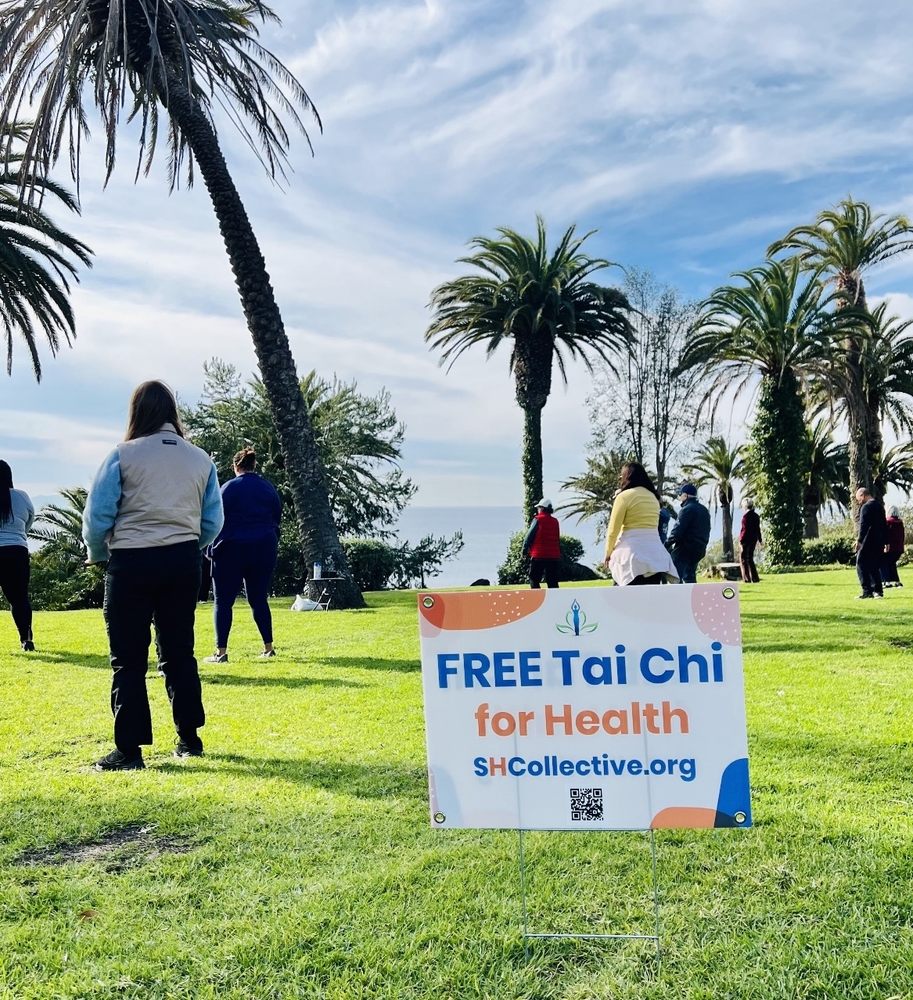
There's plenty to do around Virginia Country Club, including shopping, dining, nightlife, parks, and more. Data provided by Walk Score and Yelp.
Explore popular things to do in the area, including Mac's Lifting Spirits, Bangkok Spoon, and Sweetest Smiles Bake Shop.
| Name | Category | Distance | Reviews |
Ratings by
Yelp
|
|---|---|---|---|---|
| Dining | 0.3 miles | 0 reviews | 0/5 stars | |
| Dining | 0.33 miles | 0 reviews | 0/5 stars | |
| Dining | 0.43 miles | 0 reviews | 0/5 stars | |
| Dining | 0.53 miles | 0 reviews | 0/5 stars | |
| Shopping | 0.34 miles | 0 reviews | 0/5 stars | |
| Active | 0.43 miles | 8 reviews | 5/5 stars | |
| Active | 0.46 miles | 15 reviews | 4.1/5 stars | |
| Active | 0.48 miles | 0 reviews | 0/5 stars | |
| Active | 0.56 miles | 148 reviews | 4.2/5 stars | |
| Active | 0.88 miles | 0 reviews | 0/5 stars | |
| Active | 0.99 miles | 0 reviews | 0/5 stars | |
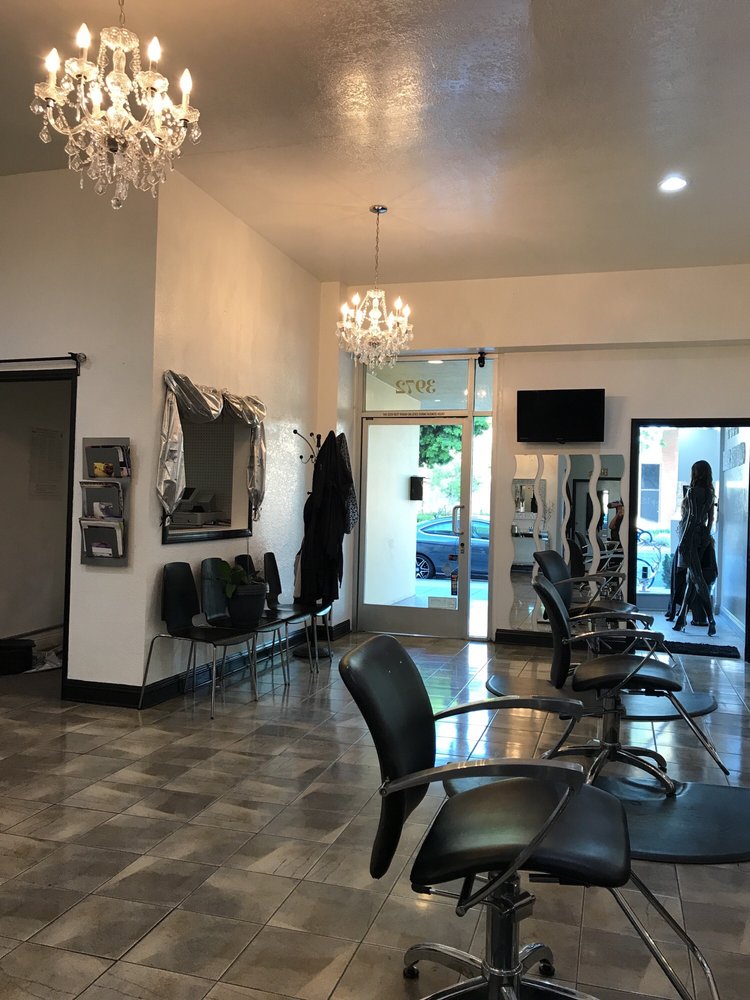
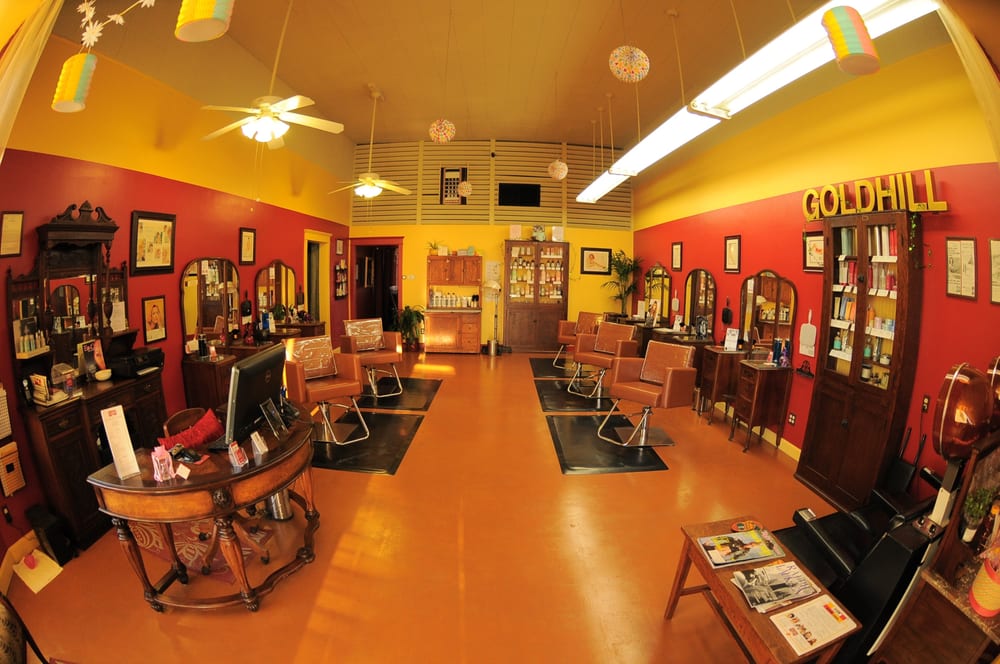
| Beauty | 0.2 miles | 35 reviews | 4.5/5 stars | |
| Beauty | 0.23 miles | 0 reviews | 0/5 stars | |
| Beauty | 0.3 miles | 31 reviews | 4.9/5 stars | |
| Beauty | 0.3 miles | 3 reviews | 5/5 stars | |
| Beauty | 0.43 miles | 0 reviews | 0/5 stars | |
| Beauty | 0.43 miles | 1 review | 5/5 stars | |
| Beauty | 0.47 miles | 4 reviews | 5/5 stars | |
| Beauty | 0.68 miles | 5 reviews | 4.2/5 stars | |
| Beauty | 0.84 miles | 0 reviews | 0/5 stars | |
| Beauty | 0.85 miles | 1 review | 1/5 stars | |
| Beauty | 0.87 miles | 0 reviews | 0/5 stars | |
| Beauty | 0.95 miles | 10 reviews | 5/5 stars | |
| Beauty | 0.99 miles | 128 reviews | 4.7/5 stars | |
|
|
||||
|
|
||||
|
|
||||
|
|
||||
|
|
||||
|
|
Virginia Country Club has 12,808 households, with an average household size of 2.54. Data provided by the U.S. Census Bureau. Here’s what the people living in Virginia Country Club do for work — and how long it takes them to get there. Data provided by the U.S. Census Bureau. 33,320 people call Virginia Country Club home. The population density is 7,537 and the largest age group is Data provided by the U.S. Census Bureau.
Total Population
Population Density Population Density This is the number of people per square mile in a neighborhood.
Median Age
Men vs Women
Population by Age Group
0-9 Years
10-17 Years
18-24 Years
25-64 Years
65-74 Years
75+ Years
Education Level
Total Households
Average Household Size
Average individual Income
Households with Children
With Children:
Without Children:
Marital Status
Blue vs White Collar Workers
Blue Collar:
White Collar: