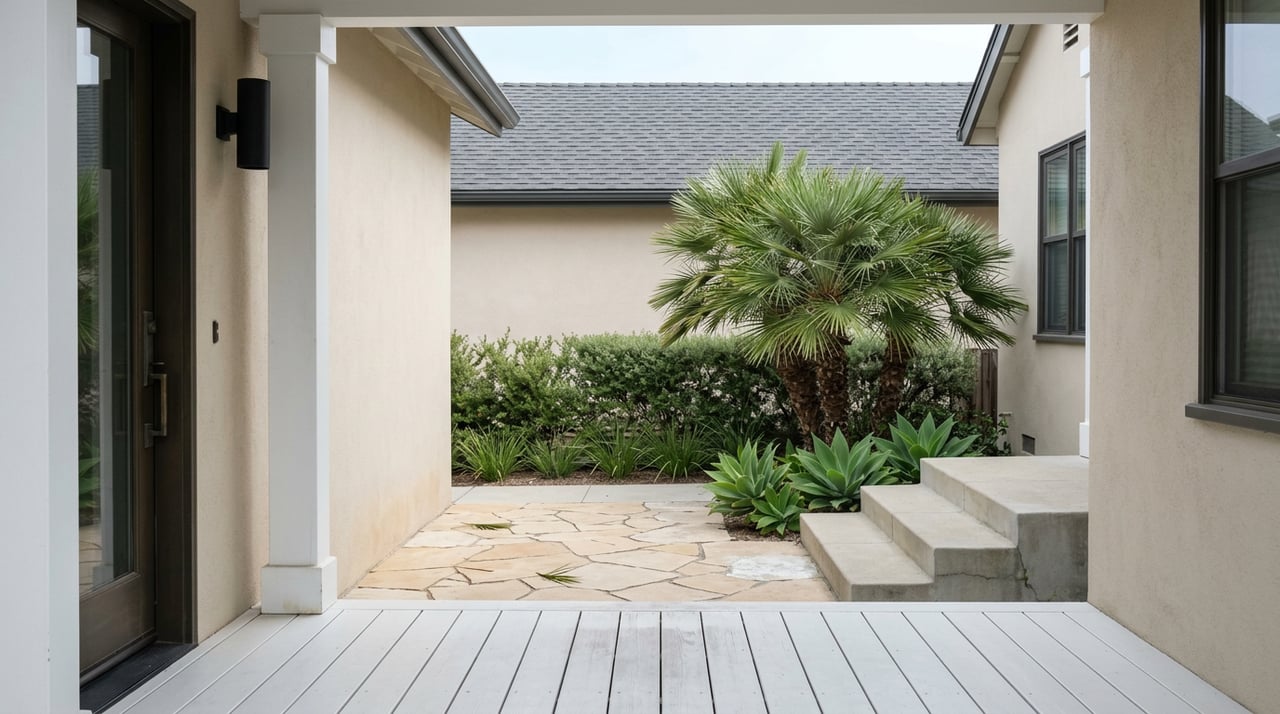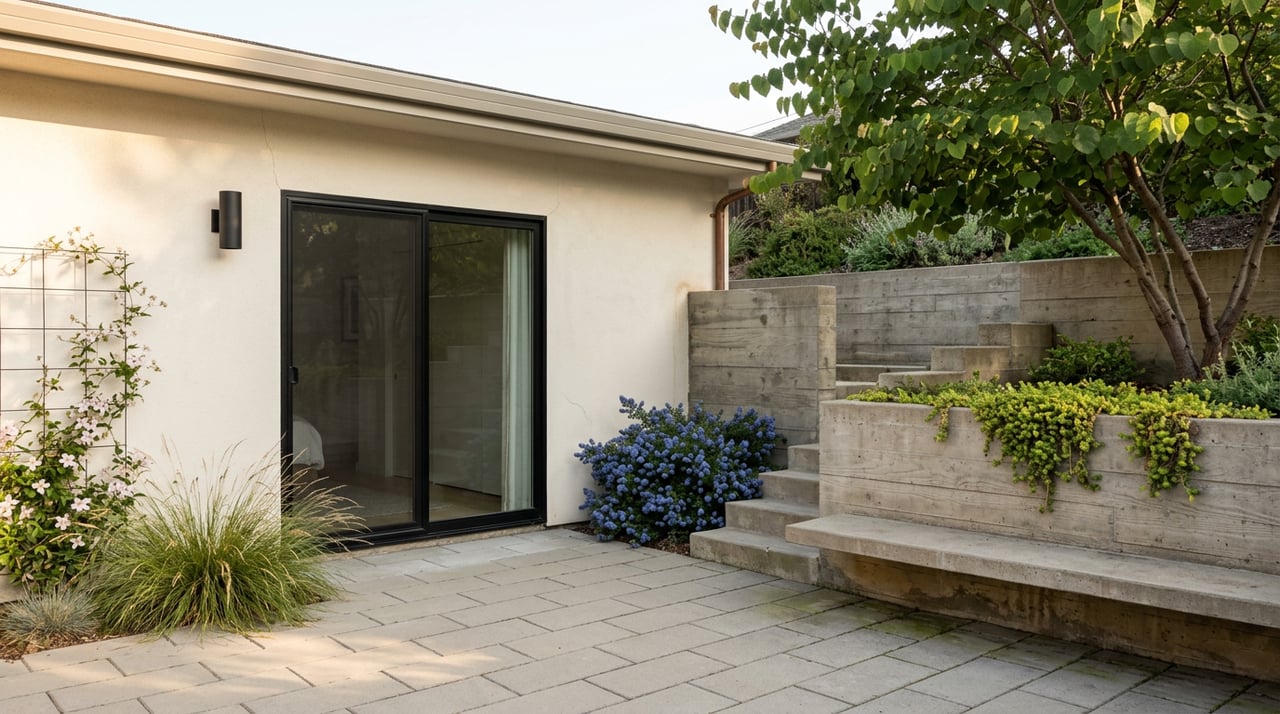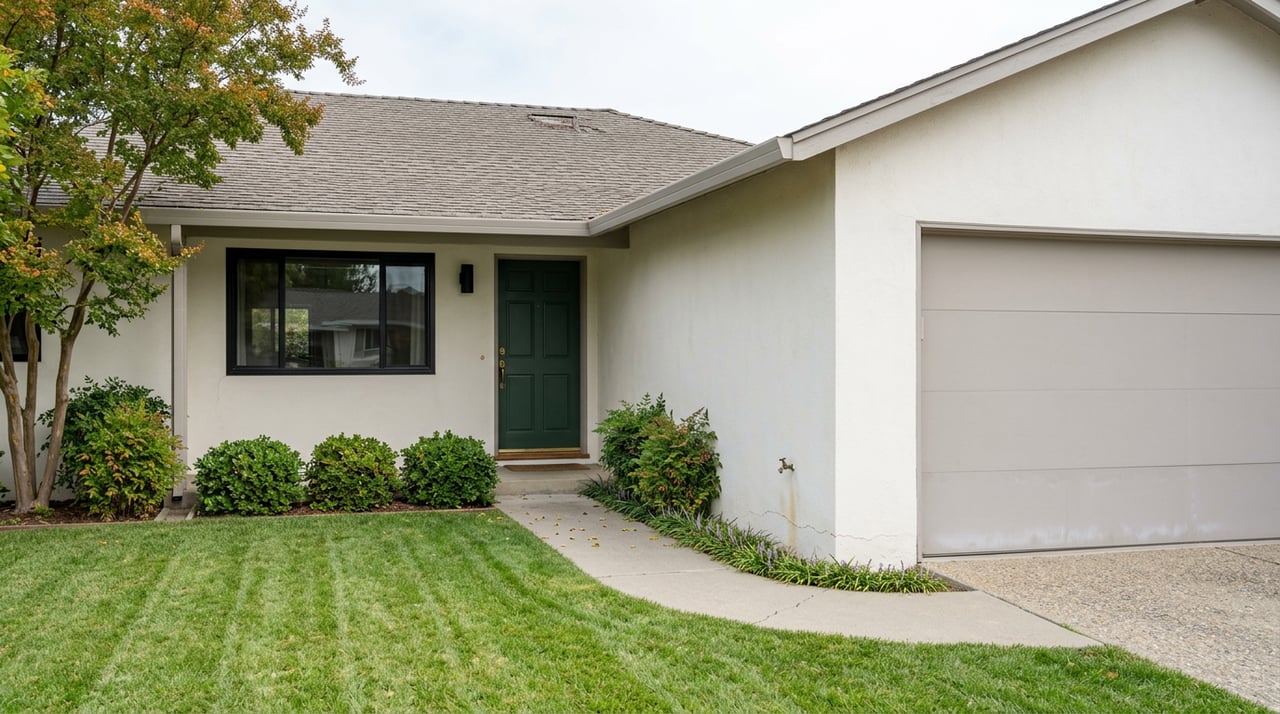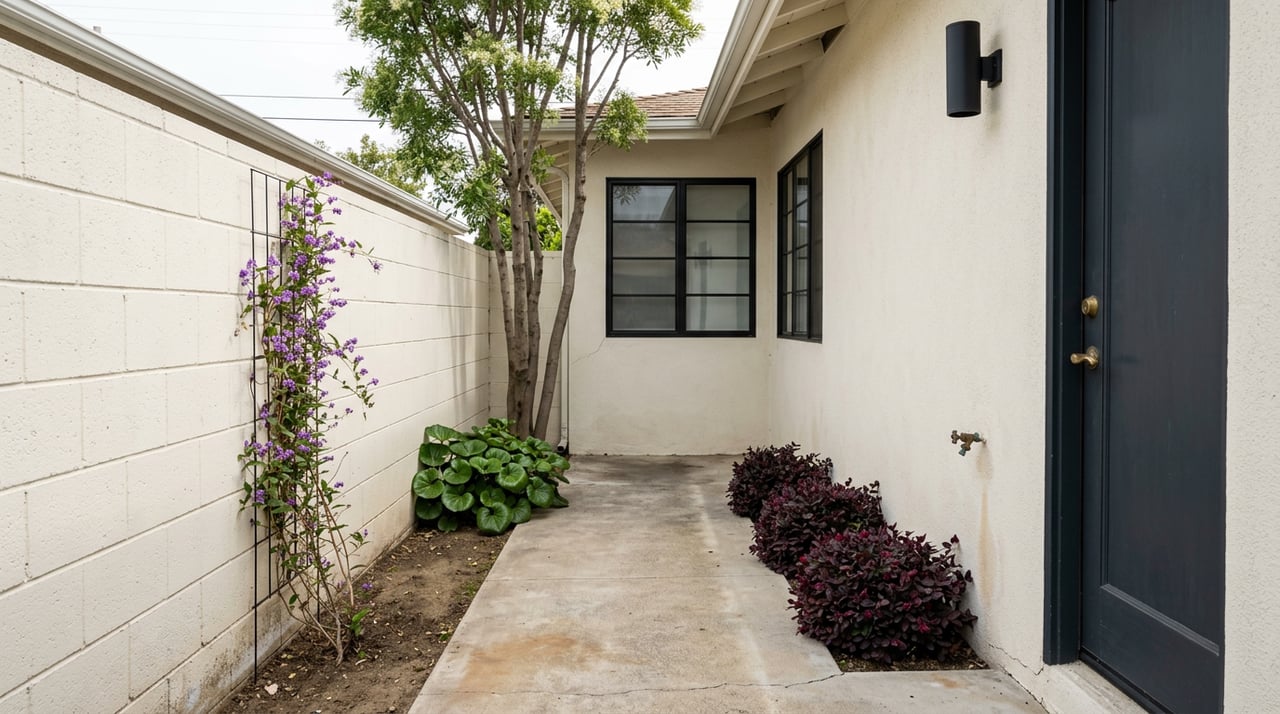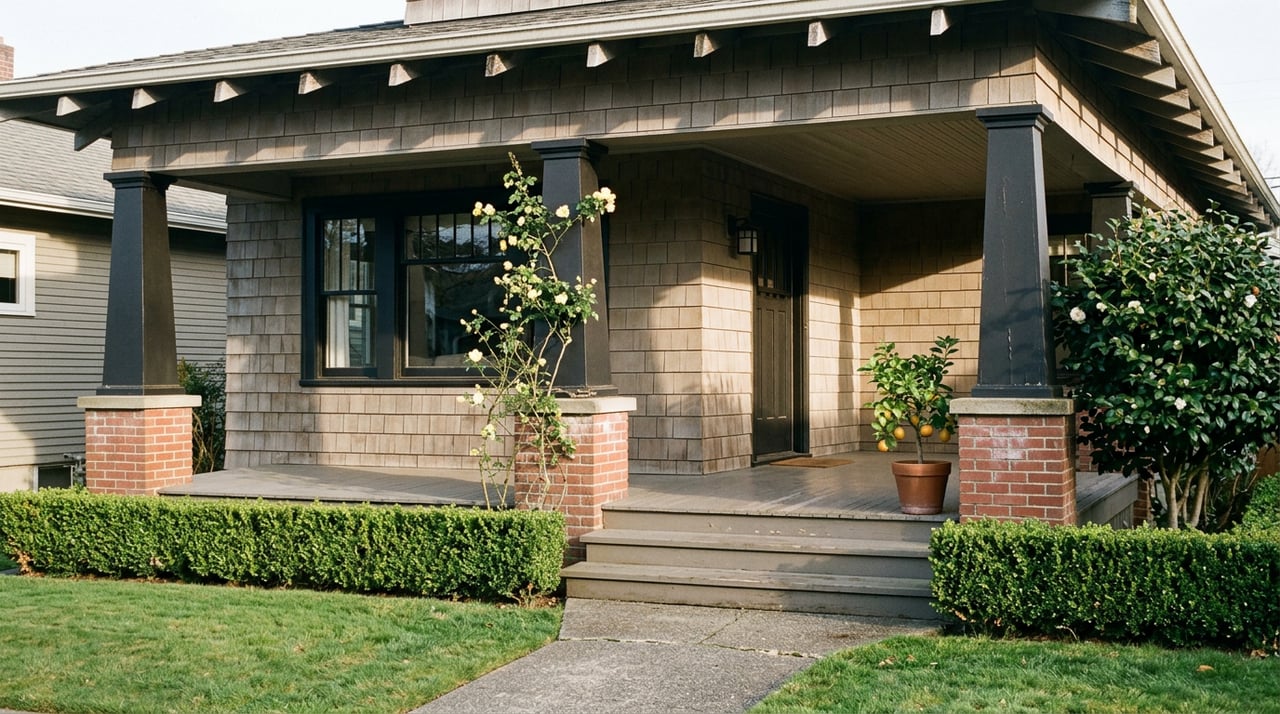
Picture two Craftsman bungalows in Long Beach's Rose Park Historic District, same footprint, same porch, same era of construction. If both carry a Mills Act contract, their owners are not paying the same reduced tax bill. One might be saving close to half. The other might be saving almost nothing. The house isn't what determines the outcome. The purchase date is.
That's the part of Long Beach's most talked-about tax incentive that rarely makes it into the pitch. Anyone who has toured a historic district here has heard "it's Mills Act eligible" treated like a remodeled kitchen, a feature that simply adds value. The eligibility is real. The benefit is not automatic, not equal across owners, and, as of this month, not even something you can apply for until 2027.
The math rewards timing, not the house
Long Beach calculates Mills Act tax relief using an income capitalization method rather than a comparison to recent sales. The county assessor estimates what the historic property could rent for, subtracts allowable expenses, and enrolls the lowest of three numbers: that restricted value, the current market value, or the existing Proposition 13 base year value. The city's own guidance puts the reduction at an average of 30 to 50 percent for new property owners, while owners who have owned their historic property for more than 10 years are less likely to see any tax reduction at all.
That's not a footnote. It means the exact same contract, on the exact same house, produces a meaningful discount for someone who bought five years ago at a market price and almost nothing for a family that has owned the home since the 1990s with a rock-bottom Prop 13 basis already in place. A buyer touring a Mills Act home should ask when the current owner purchased, not just whether the paperwork exists.
| Bought within the last 10 years | Owned 10+ years | |
|---|---|---|
| Mills Act tax outcome | Averages 30 to 50 percent reduction | Little to no reduction likely |
| Why | Restricted value falls well below a recent purchase price | Prop 13 base is already low; restricted value rarely beats it |
| What it means for a buyer | The contract is worth negotiating around | The contract is closer to a maintenance obligation than a tax benefit |
The application window already closed on you
If a historic Long Beach home you're considering doesn't already carry a Mills Act contract, you can't start one this year. The city's 2026 cycle required two mandatory workshops, held Jan. 24 and Feb. 21, and a completed application with a $1,026.75 non-refundable fee by 3 p.m. on March 20, 2026. That window is shut. The city's Mills Act page states plainly that the 2026 submittal period has closed and next year's application period opens in early January 2027.
The lag after that is longer than most buyers expect:
- Applications go to the Cultural Heritage Commission for review, expected by summer for a given cycle.
- Approved applications move to the City Council for action, typically before October.
- Recorded contracts reach the County Recorder by year end.
- The property is reassessed on the following Jan. 1 lien date.
- The reduced bill shows up on the fall property tax statement after that.
Run that sequence for someone who applies in the January 2027 window and the earliest realistic tax relief lands on a fall 2028 bill. Close on a historic home in Long Beach this fall and the Mills Act is a two-year-plus proposition unless the seller already has one recorded.
Getting one from scratch is also getting more expensive
The city's own fee schedule shows how much harder the program has become to enter cold. The application fee climbed to $545 for the 2025 cycle and now sits at $1,026.75 for 2026, roughly double in a single year. That climb tracks a benefit the city has openly rationed. In 2019, the last full cycle before a multi-year pause, Long Beach awarded only 12 contracts to single-family homes and 10 more across duplexes, triplexes, and commercial buildings. When the program resumed, the city reported 117 properties citywide holding Mills Act contracts, a small fraction of the contributing structures spread across Long Beach's 18 historic districts, among them Wrigley, Rose Park, Rose Park South, Carroll Park, Bluff Heights, Bluff Park, Belmont Heights, California Heights, and Craftsman Village.
None of that guarantees an award even for applicants who pay the fee and sit through both workshops. The city's own guidance is direct on this point: there is no guarantee of tax savings, and the amount is unknown until after a contract is signed. Staff evaluate every application against priority criteria before recommending any of them forward.
What actually matters when you're touring these houses
If you're walking through Rose Park, Wrigley, or Bluff Heights this month, the question worth asking your agent isn't "is this eligible." Nearly every contributing structure in a designated district is eligible in principle. The real question is whether a Mills Act contract is already recorded against this specific parcel, because that's the only path to seeing a benefit before 2028.
An existing contract transfers automatically to a new owner at closing. You don't reapply, and you don't lose the tax status by buying the house. But you also inherit whatever is left on the original 10-year rehabilitation plan, and the city's guidance is explicit that a seller must fully disclose the document to prospective buyers and identify what work is completed and what remains. A buyer who skips reading that plan can close on a house believing they've inherited a tax break when they've actually inherited a punch list with a deadline attached.
Multi-family and condo buyers face an extra layer. Buildings like the Villa Riviera at Ocean Boulevard and Alamitos Avenue or Rose Towers on East 3rd Street carry Mills Act designations that require the entire homeowners association to agree to honor the contract, not just the individual unit buyer. That's a very different conversation than a single-family purchase in Rose Park.
A few obligations are worth knowing before you make an offer on a contracted property:
- The state requires a compliance inspection every five years, not just at signing.
- Canceling a contract within its first 10 years triggers a penalty equal to 12.5 percent of the property's current fair market value, not the restricted value you've been taxed on.
- The Mills Act protects exterior character. Interior changes generally fall outside its scope.
The pressure isn't unique to Long Beach
Los Angeles moved in the same direction this year, approving a new annual fee on Mills Act contracts signed after 2014, effective Feb. 23, 2026, covering roughly 246 contracts citywide, according to the Los Angeles Conservancy. That fee applies to Los Angeles, not Long Beach. But it signals where these programs are headed across Southern California: fewer new contracts, higher costs to enter, and more paperwork for the owners who already have one. Long Beach's own fee trajectory tells a version of the same story.
None of this makes a historic Long Beach purchase a bad idea. These houses have long drawn strong interest independent of any tax discussion. In March 2021, a Craftsman bungalow on Junipero Avenue in Rose Park listed at $779,990 drew what the listing agent described as 25 showings over a single weekend, and a larger Rose Park South home with a finished basement was listed nearby around the same time at close to $930,000, according to the Long Beach Post. Demand for these houses doesn't wait on Mills Act paperwork. The tax question just needs to get answered before you're in escrow, not after.
FAQ
If I buy a historic Long Beach home this fall, can I apply for Mills Act this year? No. The 2026 application window closed March 20. The next one opens in early January 2027, and even a successful application typically doesn't show up as a lower tax bill until the following fall.
Does an existing Mills Act contract transfer to me automatically when I buy the house? Yes. The contract runs with the property, not the owner, so you inherit both the tax treatment and the remaining obligations on the rehabilitation plan without reapplying.
What happens if I don't want to keep up the maintenance obligations after I buy? You can request cancellation, but within the first 10 years of the contract that triggers a penalty equal to 12.5 percent of the property's current fair market value. The city can also pursue enforcement rather than accept cancellation.
If you're weighing a historic-district purchase or sale in Long Beach and want someone who reads the actual Mills Act contract before you write an offer, not just the listing description, The Elmer Team can walk you through what's recorded, what's pending, and what it means for your tax bill. Get your instant home valuation for a Long Beach historic home and we'll follow up with the details standard reports leave out.