Wondering how to make your Seal Beach home stand out to coastal buyers? In a market where many buyers start online and already have a strong idea of the lifestyle they want, presentation can shape both first impressions and final offers. The good news is that thoughtful staging does not have to feel overwhelming. With the right plan, you can highlight your home’s light, flow, and beach-town appeal in a way that feels polished and easy to picture. Let’s dive in.
Why staging matters in Seal Beach
Staging matters because it helps buyers picture themselves living in your home. In the National Association of Realtors 2025 staging report, 83% of buyers’ agents said staging makes it easier for buyers to visualize a property as a future home. That is a big advantage when you are trying to stand out in a coastal market like Seal Beach.
The same report found that 60% of buyers’ agents said staging affects most buyers most of the time. On the seller side, 19% of sellers’ agents reported a 1% to 5% increase in dollar value offered, and 30% saw slight decreases in time on market. In short, staging can support both buyer interest and overall marketing performance.
Seal Beach adds another layer to that equation. The city is defined by its Pacific coast setting, small-town character, Main Street area, Old Town beach access, and the Seal Beach Pier. That means buyers are not only comparing square footage and finishes. They are also responding to how well your home reflects the relaxed, bright, coastal lifestyle they came to find.
Focus on coastal lifestyle
The most effective staging in Seal Beach usually feels calm, clean, and easy to live in. Buyers want to imagine their own furniture, routines, and weekends in the space, so heavy décor and overly themed beach styling can get in the way. A restrained approach tends to work better.
Think in terms of light, openness, and function. A soft palette, fewer personal items, and clear sightlines can help your home feel bigger and more inviting. In a beach community, that often translates into simple furnishings, tidy surfaces, and spaces that feel ready for everyday coastal living.
Start with the highest-impact basics
If you only have time or budget for a few improvements, start where the data says sellers and agents see the most value. The NAR report shows sellers’ agents most often recommend decluttering, whole-home cleaning, and curb appeal improvements. Those basics create the clean slate buyers are looking for.
Before you think about decorative touches, make sure your home feels cared for and move-in ready. Small distractions can pull attention away from your home’s strengths, especially in photos. A polished foundation makes every other staging decision work harder.
Your pre-staging checklist
- Declutter countertops, shelves, and floor areas
- Deep clean the entire home
- Depersonalize visible items like family photos and memorabilia
- Complete minor repairs
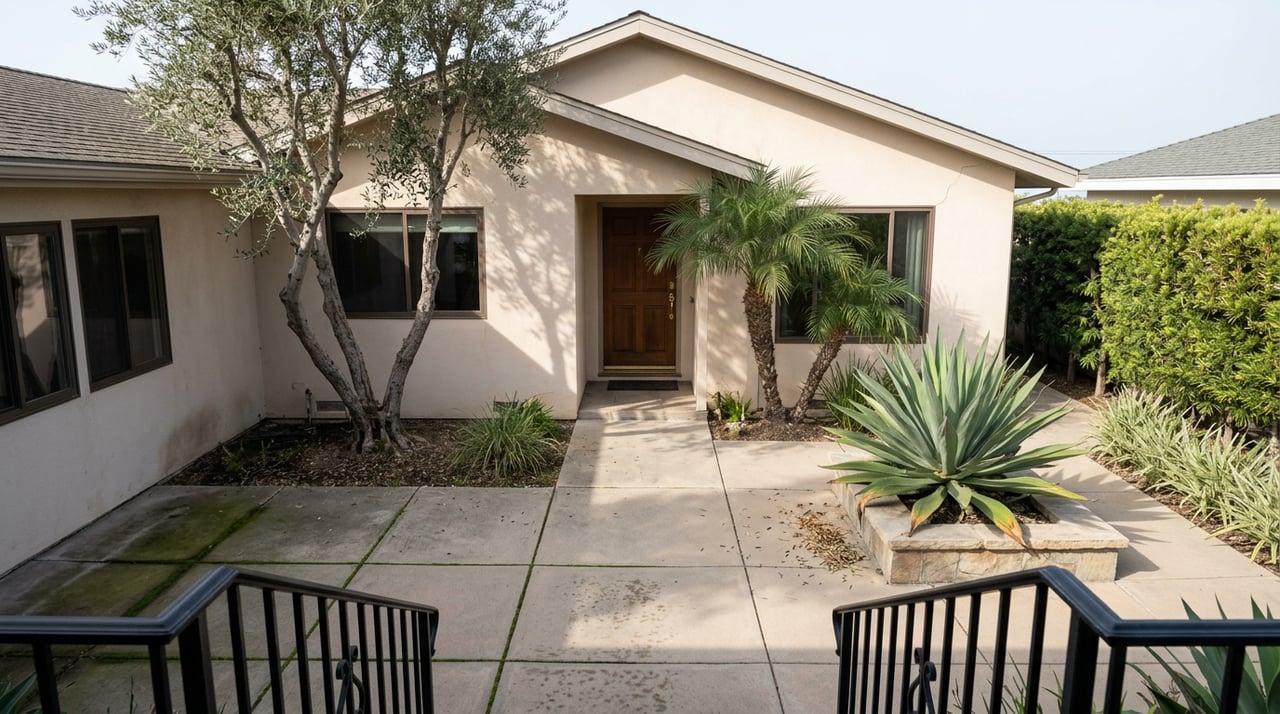
- Refresh curb appeal with a tidy entry and maintained landscaping
- Remove or store extra furniture that makes rooms feel tight
Stage the rooms buyers notice most
Not every room needs the same level of attention. According to the 2025 NAR staging report, the spaces that matter most to buyers are the living room, primary bedroom, kitchen, dining room, and outdoor or yard space. That means you can be strategic and focus your effort where buyers are most likely to feel the difference.
This is especially helpful if you are preparing your home on a budget. Rather than trying to perfect every corner, prioritize the areas that shape the home’s overall impression online and in person.
Living room
The living room is often the visual anchor of the listing. It is also the room buyers’ agents most often say is important to stage. Your goal here is to create a space that feels open, comfortable, and easy to gather in.
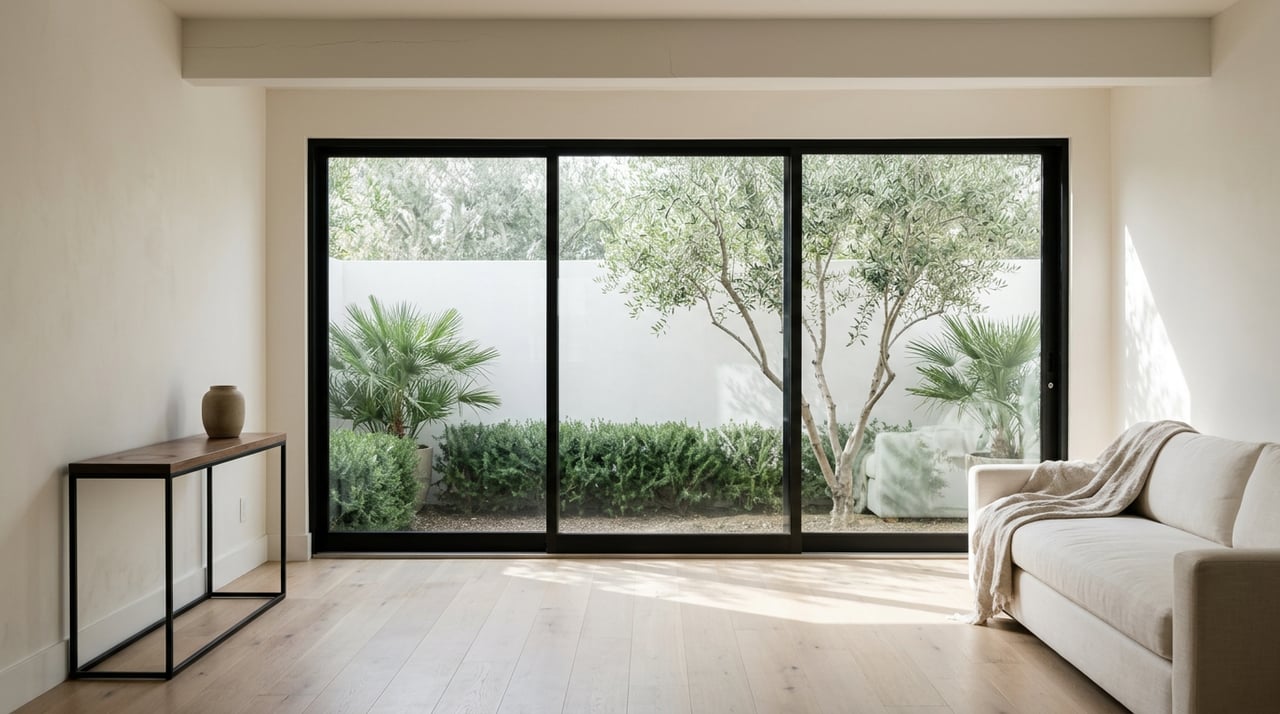
Use furniture that fits the room instead of filling it. Keep pathways clear, limit accent pieces, and let windows stand out. In Seal Beach, bright natural light and a simple layout can go a long way toward creating that airy coastal feel.
Primary bedroom
Your primary bedroom should feel restful and uncluttered. Buyers respond well to spaces that look calm and easy to maintain, so keep bedding simple and nightstands lightly styled. Too many personal items can make the room feel smaller and more specific to your life instead of theirs.
If the room is modest in size, avoid oversized furniture or too many accessories. A clean bed, open floor space, and soft, neutral tones can help the room feel more spacious.
Kitchen
Kitchens do not need to look fancy to photograph well. They need to look clean, functional, and ready for daily use. Clear the counters as much as possible, store small appliances, and remove anything that makes the space feel busy.
If you have open shelving, keep it minimal and orderly. Buyers often focus on how a kitchen flows, so make sure the room feels easy to move through. Even simple changes can make the space look sharper in listing photos.
Dining room
The dining room helps buyers understand how the home lives day to day. If you have one, stage it to show purpose and proportion. A simple table setting can work, but avoid crowding the surface or adding too many decorative layers.
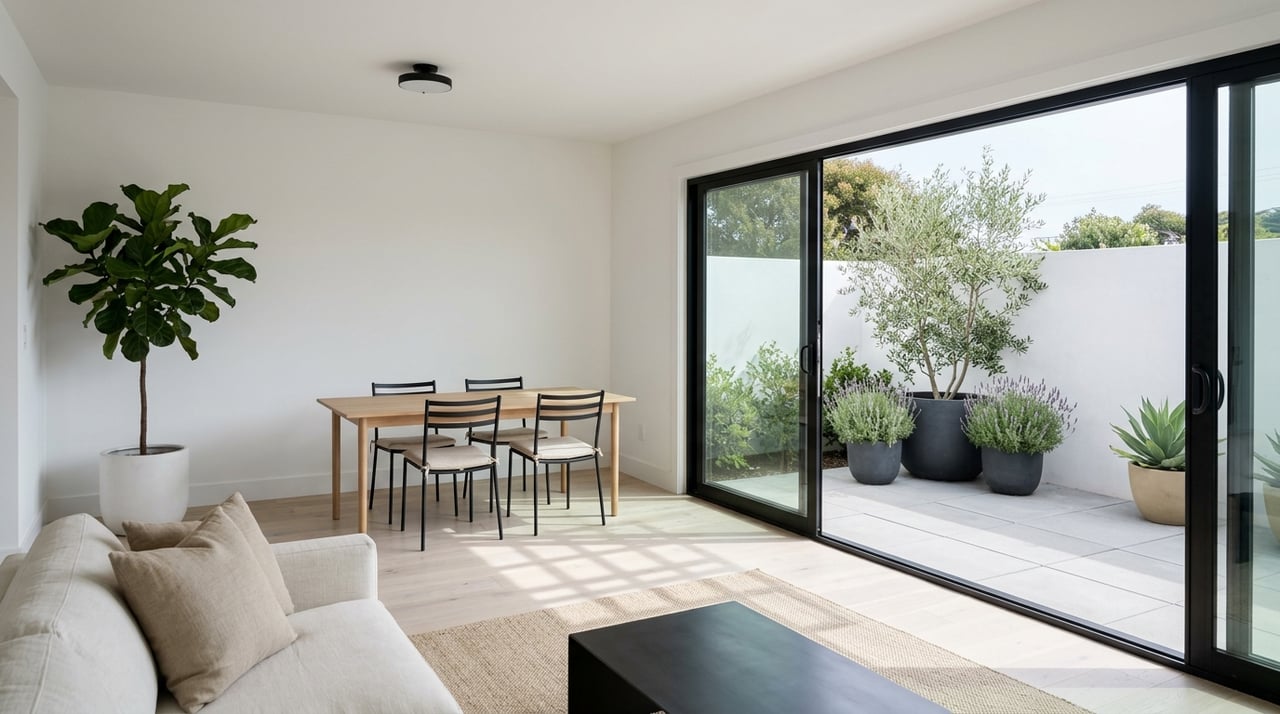
If the area is small or part of a larger open plan, use scaled furniture that defines the space without blocking flow. Buyers should be able to see how the dining area connects naturally to the kitchen and living spaces.
Outdoor space
In Seal Beach, outdoor living matters. Whether you have a front patio, small balcony, backyard, or side yard, buyers will notice how usable it feels. The NAR report identifies outdoor or yard space as one of the key areas buyers care about, and that matters even more in a coastal setting.
Sweep surfaces, clean outdoor furniture, and remove anything that feels like storage overflow. Even a compact outdoor area can feel valuable when it looks tidy, intentional, and ready to enjoy.
Match the staging to your home type
Seal Beach has a mix of housing types, and your staging plan should reflect how your home lives. A one-size-fits-all approach can miss the details that help buyers connect with the space.
Beach-close cottages and Old Town homes
For homes closer to the beach or in Old Town, focus on the entry sequence and day-to-day ease. Clean flooring, hidden storage for beach gear, and a calm palette can help the home feel organized and low-stress. Buyers are often drawn to the lifestyle in these areas, so your staging should support that feeling.
Condos and smaller homes
In condos or compact homes, scale matters. Choose furniture that fits the room, keep sightlines open, and make balconies or patios feel usable. When buyers can see open floor area and easy indoor-outdoor flow, the home often feels larger than its square footage suggests.
Inland single-family homes
For inland single-family homes, emphasize function and flow. Buyers are often looking at how the kitchen connects to living areas, how rooms work for daily routines, and whether the yard feels polished. A clean, practical layout helps them see how the home supports everyday life.
Use light to your advantage
Seal Beach’s coastal climate should shape your staging and photo plan. Nearby NOAA climate normals for Newport Beach Harbor show a mild coastal pattern, with an annual mean temperature of 62.8°F and annual precipitation of 9.43 inches. That weather supports the easy, indoor-outdoor feeling many buyers want to see.
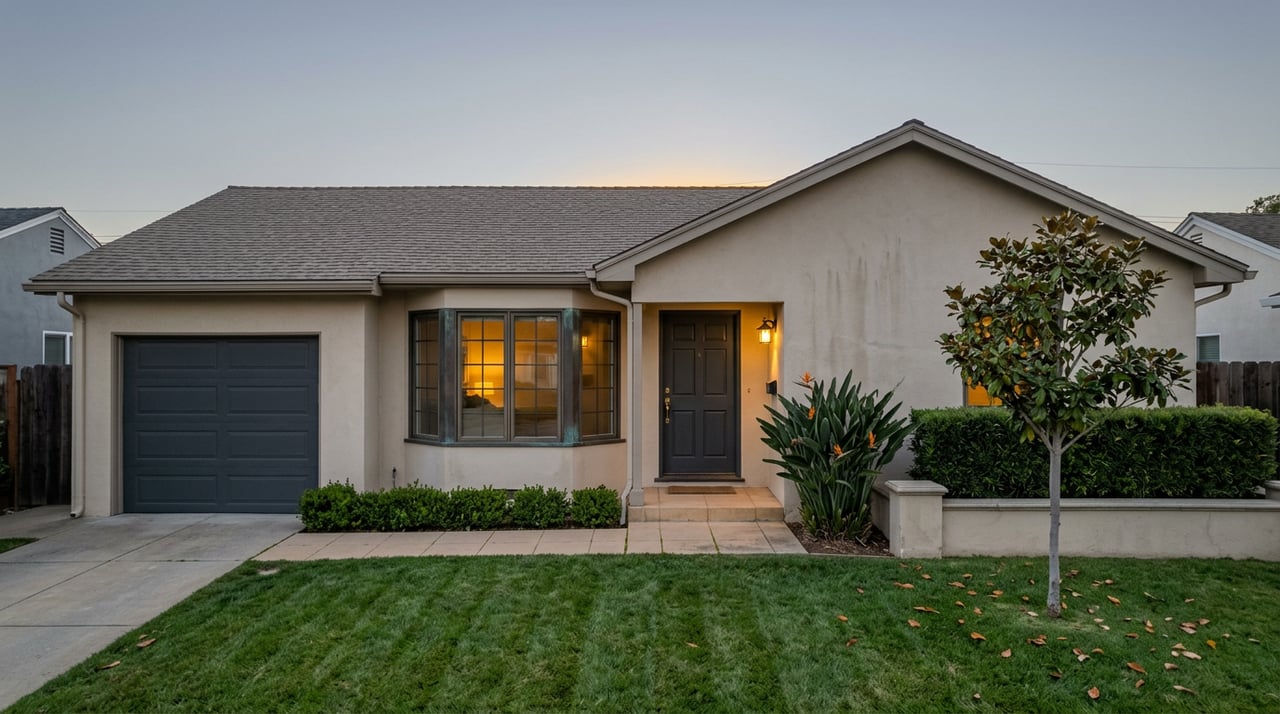
It also comes with marine layer conditions that are common from April to August, often strongest around sunrise and clearing later. For your listing, this means bright interiors, open window treatments, and careful photo timing can make a real difference. If possible, aim for exterior photography after the morning clouds have lifted so the home appears brighter and more inviting.
Simple ways to brighten the home
- Open blinds and curtains to maximize daylight
- Use light window treatments that do not block views
- Replace dim or mismatched bulbs
- Clean windows and mirrors thoroughly
- Remove bulky items near windows
- Keep the color palette calm and reflective of natural light
Prepare for photos, video, and tours
Today’s buyers usually meet your home online first. According to the NAR report, photos are highly valued by 73% of buyers’ agents, while videos and virtual tours also play an important role. The report also found that 31% of buyers’ agents said buyers were more willing to walk through homes they had already seen online.
That means staging is not just about in-person showings. It is also about how your home performs in the listing gallery, on video, and during virtual tours. Every room should look intentional from the camera’s point of view.
Before media day, walk through your home as if you are seeing it for the first time on a screen. Pay close attention to the entry, kitchen, main living area, primary bedroom, and outdoor spaces. These are the areas most likely to shape whether a buyer decides to book a showing.
Avoid over-staging
One common mistake is trying to stage every room with the same intensity. You do not need to do that. The NAR data shows that guest rooms and children’s bedrooms are staged less often than core spaces like the living room, primary bedroom, kitchen, and bathrooms.
This is good news if you want to stage efficiently. Put your time, money, and energy into the rooms with the highest return. A clean, bright, well-edited home will usually connect better than one filled with too much furniture or décor.
Final walkthrough before listing
Right before your home goes live, do one last reset. This final pass should make the home feel bright, orderly, and easy to imagine living in. The goal is not perfection. The goal is consistency across photos, video, showings, and first impressions.
Use this quick check:
- Entry is clean and welcoming
- Main surfaces are clear
- Beds are neatly made
- Bathrooms are spotless
- Lights are on and working
- Outdoor areas are swept and staged
- Personal items are minimized
- Minor repairs are complete
A strong Seal Beach staging plan should help your home feel bright, low-maintenance, and ready for coastal living. That is the picture many buyers are already hoping to find.
If you are getting ready to sell and want help building a smart presentation and pricing strategy, The Elmer Team can help you prepare your home for the market with local insight and full-service support.
FAQs
How important is home staging for selling a Seal Beach home?
- Home staging can be very important in Seal Beach because it helps buyers picture the home as their own, supports stronger online presentation, and may help improve offers or reduce time on market according to the 2025 NAR staging report.
Which rooms should you stage first in a Seal Beach home?
- The best rooms to prioritize are the living room, primary bedroom, kitchen, dining room, and outdoor space because those are the areas buyers tend to notice most.
How should you stage a Seal Beach home for coastal buyers?
- Keep the look clean, bright, and uncluttered with a calm palette, open sightlines, scaled furniture, and outdoor spaces that feel usable and easy to enjoy.
When should you schedule listing photos for a Seal Beach home?
- If possible, schedule exterior photos after the morning marine layer clears, especially from spring through summer, so the home appears brighter and more inviting.
What should you do before listing a Seal Beach home for sale?
- Focus on decluttering, deep cleaning, depersonalizing, minor repairs, curb appeal, and staging the rooms that have the biggest impact in photos and showings.