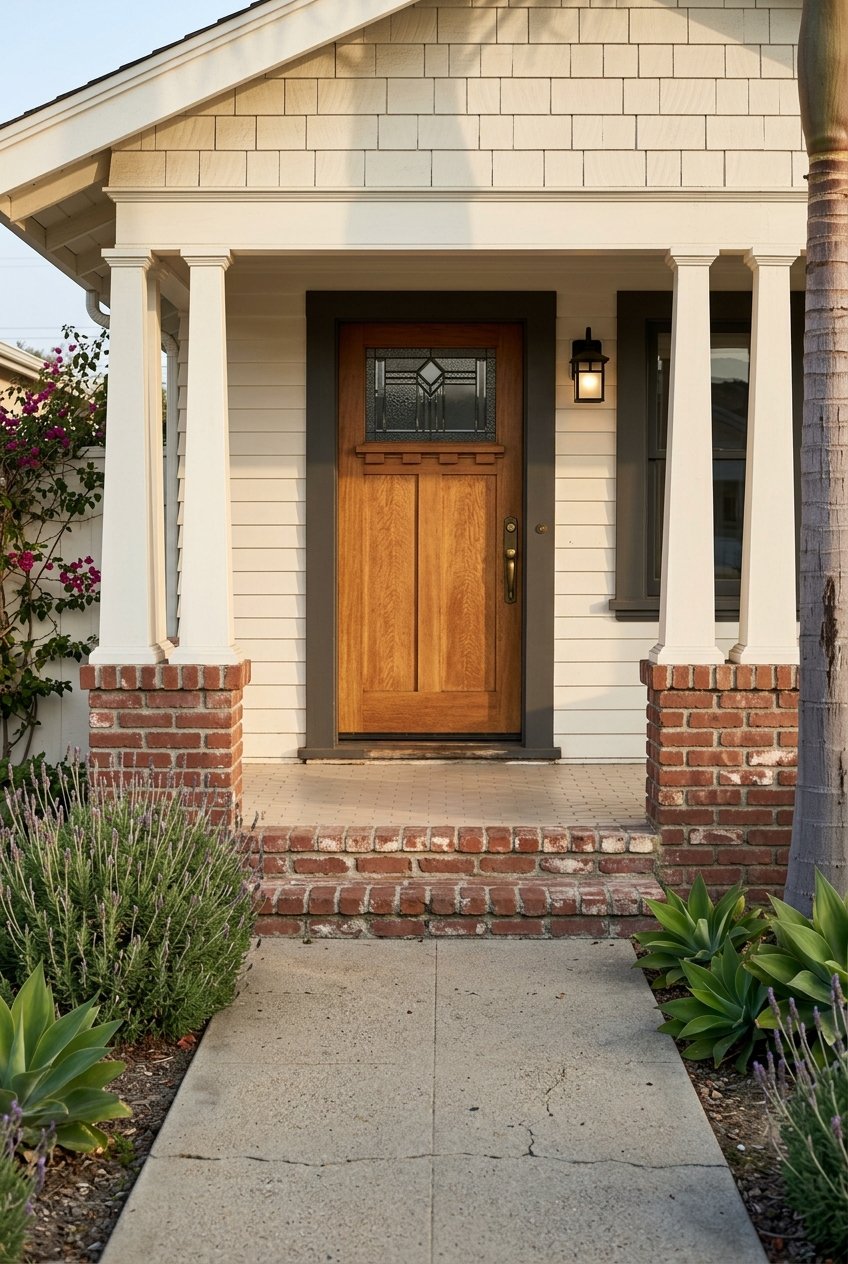
Wondering whether selling a historic Long Beach home is more complicated than a typical sale? In many cases, it is. If your home has original details, sits in a historic district, or may carry a Mills Act contract, you are likely to face a few extra questions and steps before you list. The good news is that with the right preparation, you can position your property clearly, avoid surprises, and market the features buyers already love about Long Beach character homes. Let’s dive in.
Why historic Long Beach homes stand out
Long Beach has a strong base of buyers who appreciate older homes with architectural character. The city notes that historic districts preserve the visual qualities and ambience of the past, and many buyers are drawn to the craftsmanship and design found in these neighborhoods.
That appeal is easy to see in places like Bluff Park, Rose Park, and California Heights. Bluff Park is known for large two-story Craftsman Bungalows and Period Revival homes, Rose Park includes a mix of Craftsman, Victorian, Rancho, Neo-Traditional, and Spanish Colonial Revival homes, and California Heights is the city’s largest historic district with nearly 1,500 homes, mature trees, and vintage streetlights.
If your home still has original woodwork, trim, porches, windows, or other period details, those features may help it stand out. They support the historic character many buyers are actively looking for, though they do not guarantee a higher sale price on their own.
Know your home’s historic status
Before you think about price, photos, or repairs, confirm exactly how your property is classified. In Long Beach, a home may be in a historic district, be an individual landmark, be a noncontributing property within a district, or carry a Mills Act contract.
This matters because historic district regulations are an architectural-review overlay on top of standard city rules. They do not change the property’s underlying zoning, and existing physical conditions are generally grandfathered in until an owner requests a physical change.
Even noncontributing properties inside a district are still reviewed to avoid adverse impacts on the surrounding neighborhood. That means your status can affect what work needs approval before listing or before a future buyer makes changes.
Pricing a historic home in Long Beach
Pricing a historic home usually takes more nuance than pricing a newer property. Appraisers are expected to analyze comparable sales, contract sales, and listings that are most similar to your home, and they should use the same market area when possible.
If your home is especially original, has unique features, or there are few close matches nearby, the appraiser may need to use older sales or properties from competing neighborhoods. That does not mean your home cannot be valued properly. It means the value opinion may require more careful support.
In real life, condition, location, and market appeal often matter as much as square footage or age. A well-kept historic home with preserved original details may attract strong buyer interest, while heavy alterations or deferred maintenance can make pricing and appraisal more difficult.
What buyers and appraisers will notice
When buyers walk through a historic property, they often respond to details that newer homes do not offer. Original millwork, period windows, built-ins, porch columns, and architectural consistency can all shape how a home feels and how it competes in the market.
At the same time, buyers also notice functionality and upkeep. If your home has visible maintenance issues, outdated systems, or unfinished prior work, those concerns can affect both buyer confidence and negotiations.
That is why preparation matters so much with older homes. The goal is not to erase the home’s history. The goal is to present that history clearly, while also showing that the property has been cared for.
Repairs and updates need extra care
One of the biggest surprises for sellers is how many projects may require city review. Long Beach states that most construction activities, including alterations, replacements, and repair work in dwellings, require permits and inspections, and additional requirements may apply in historic districts.
For historic landmarks and properties in historic districts, any exterior change must be approved before work begins through a Certificate of Appropriateness, even if no building permit is required. Common projects that can trigger this review include window and door changes, building repairs and additions, repainting, re-roofing, and solar installations.
This is a big reason to avoid rushing into pre-listing updates. A project that seems simple on a standard home may need a different process on a historic property.
What usually does not trigger historic review
Long Beach says interior remodeling is not reviewed under historic preservation rules. Ordinary maintenance and repairs that do not change materials or design are also excluded from historic review.
The city also prefers repair over replacement when possible. Preservation of original features, including windows, is encouraged, and if replacement is necessary, the new work should replicate the original visual qualities.
For sellers, that means not every project is a problem, but exterior changes should be checked carefully before work starts. It is much easier to verify first than to fix an unapproved change later.
Pre-listing work to consider early
Older homes often need a more thorough review before they hit the market. Long Beach’s Mills Act guide points to common work items for historic properties such as foundation repairs, removal of knob-and-tube electrical wiring, sewer replacement, roof repairs, and removal of non-period alterations.
That does not mean your home needs every repair before listing. It does mean you should understand the property’s condition, gather records for past work, and decide which issues to address now versus disclose and price around.
A practical pre-listing checklist may include:
- Confirming whether the home is in a historic district or is a landmark
- Checking whether a Mills Act contract applies
- Gathering permits, approvals, and records for prior exterior work
- Reviewing whether any planned repairs need a Certificate of Appropriateness
- Identifying older system issues that buyers may flag during inspections
- Organizing documents related to roof, sewer, electrical, or foundation work
Long Beach also offers district-specific design guidelines and architectural style guides for areas such as Bluff Park, California Heights, and Rose Park. These can help you understand what kinds of exterior updates are likely to be viewed as compatible.
Lead paint disclosures matter for older homes
If your Long Beach home was built before 1978, lead-based paint rules are likely part of the sale process. Federal law requires sellers to disclose known lead hazards, provide available records, share the lead paint pamphlet, and give buyers an opportunity to conduct a lead inspection.
This is one area where preparation helps reduce stress. If you already have records related to past testing, remediation, or renovations, gather them before listing so your disclosures are complete and organized.
If you are considering renovation, repair, or painting work that could disturb lead paint, it is wise to use professionals who understand lead-safe practices. On an older home, careless pre-sale work can create bigger issues than it solves.
Mills Act questions can shape buyer interest
If your home has a Mills Act contract, expect buyers to ask about it. Long Beach says the Mills Act provides property tax relief in exchange for maintaining and preserving a designated historic property.
The contract runs for at least 10 years and transfers to the new owner when the property is sold. The city also states that the average tax reduction for new owners can be about 30% to 50%, though the actual outcome depends on the property’s ownership history and reassessment timing.
For some buyers, that potential tax benefit is a meaningful advantage. For others, the preservation obligations will be just as important to understand. Either way, clear explanation is better than leaving buyers to guess.
Questions buyers often ask
Historic home sales tend to come with a more detailed set of buyer questions. Many of them are reasonable and easy to anticipate if you prepare early.
Common questions include:
- Is the home in a historic district or individually designated?
- Are exterior changes allowed after closing?
- Is the interior subject to historic review?
- Does the property have a Mills Act contract?
- Were past repairs completed with the right permits or approvals?
- Have original features been preserved, repaired, or replaced?
The better your documentation and answers, the smoother your sale can feel. Buyers are often comfortable with historic-home rules when the information is clear and the home has been thoughtfully maintained.
Why strategy matters more with a historic listing
Selling a historic Long Beach home is not just about putting a price on square footage. It is about understanding what makes the property special, what rules affect the exterior, and how to present the home in a way that builds buyer confidence.
That includes verifying preservation status, planning repairs carefully, explaining any Mills Act contract, and building a pricing strategy around the most relevant comparable sales. It also means highlighting the details that make Long Beach character homes so memorable in the first place.
When that work is done well, your home’s history becomes a strength in the sale instead of a source of confusion. If you are thinking about selling and want a clear plan for pricing, prep, and positioning, The Elmer Team can help you navigate the process with local insight and full-service support.
FAQs
What does historic district status mean for a Long Beach home sale?
- Historic district status means exterior changes may require review and approval, but it does not change the property’s underlying zoning. It can also shape buyer interest because many buyers value preserved architectural character.
What repairs need approval for a historic Long Beach home?
- In Long Beach, exterior changes to a historic landmark or a property in a historic district require a Certificate of Appropriateness before work starts. Common examples include window changes, doors, repainting, re-roofing, additions, and solar installations.
Are interiors reviewed for historic homes in Long Beach?
- No. Long Beach states that interior remodeling is excluded from historic review.
Does a historic Long Beach home always sell for more?
- No. Historic status does not guarantee a premium. Value still depends on comparable sales, condition, location, and overall market appeal.
What should sellers know about Mills Act contracts in Long Beach?
- A Mills Act contract can provide property tax relief for a designated historic property, and the contract transfers to the new owner when the home is sold. Buyers should understand both the potential tax benefit and the preservation obligations.
What disclosures matter when selling an older Long Beach home?
- If the home was built before 1978, sellers must follow lead-based paint disclosure rules, including sharing known hazards, available records, and the required pamphlet, while giving buyers a chance to conduct a lead inspection.