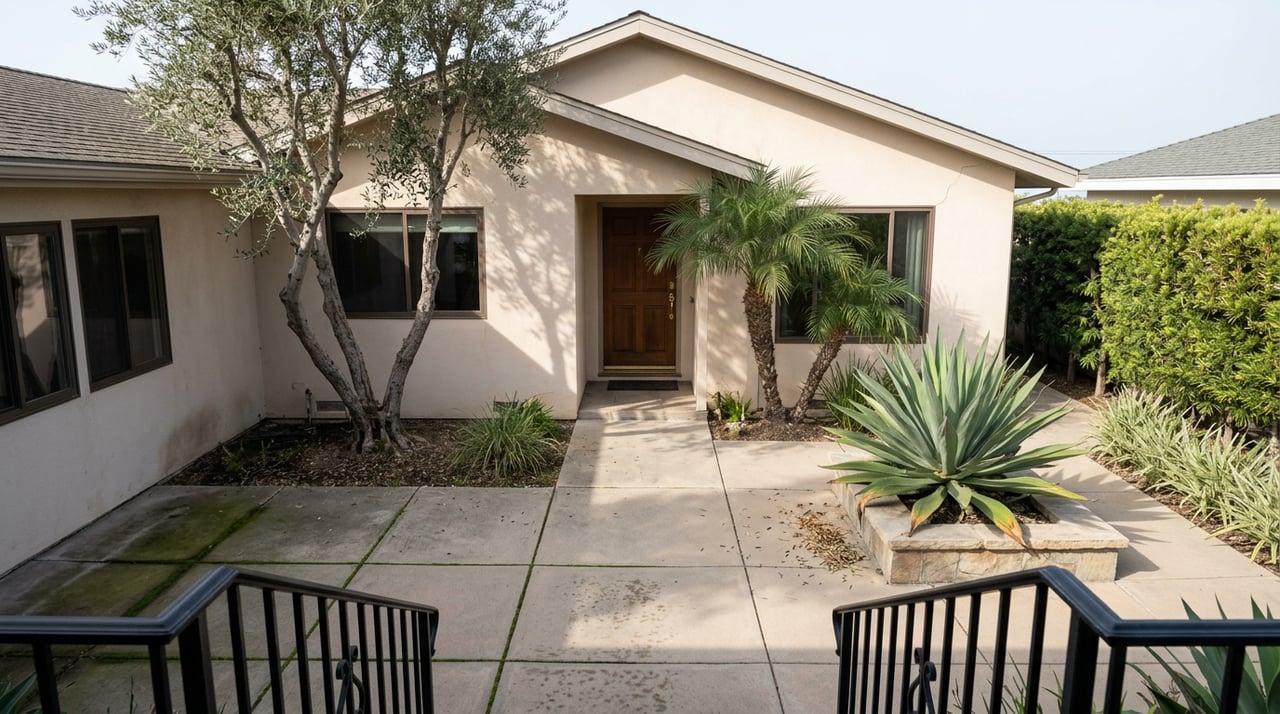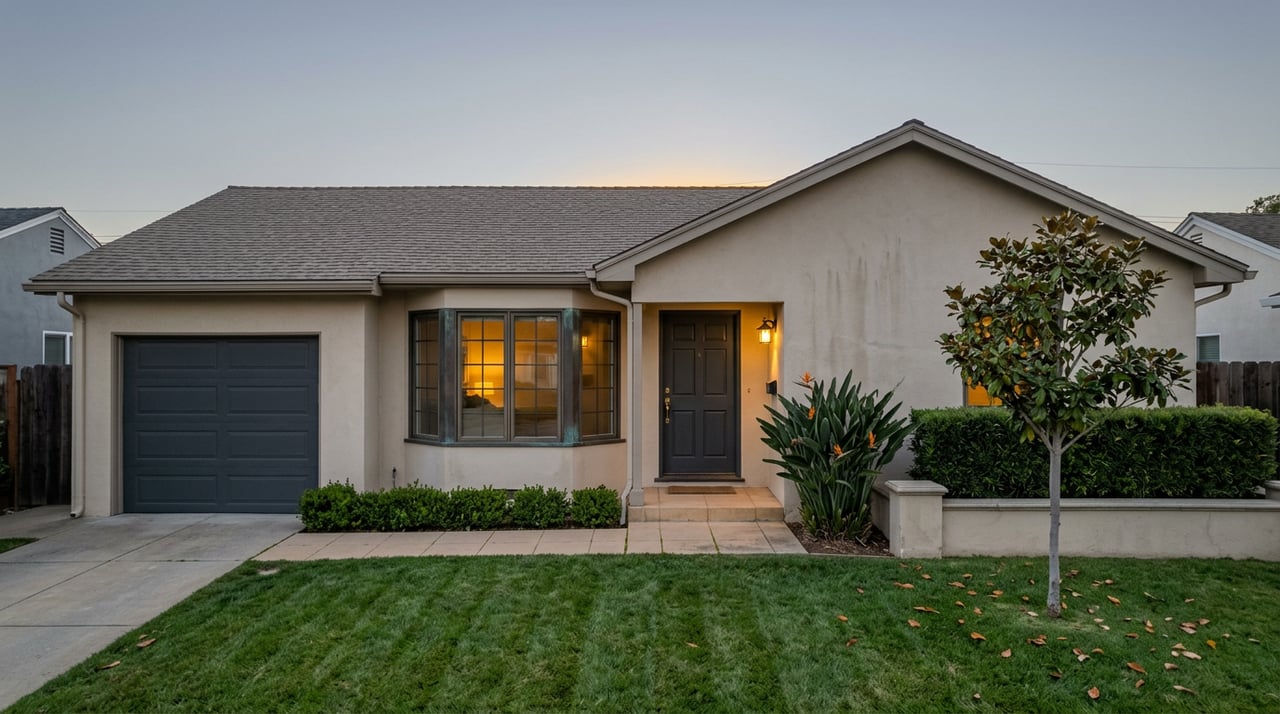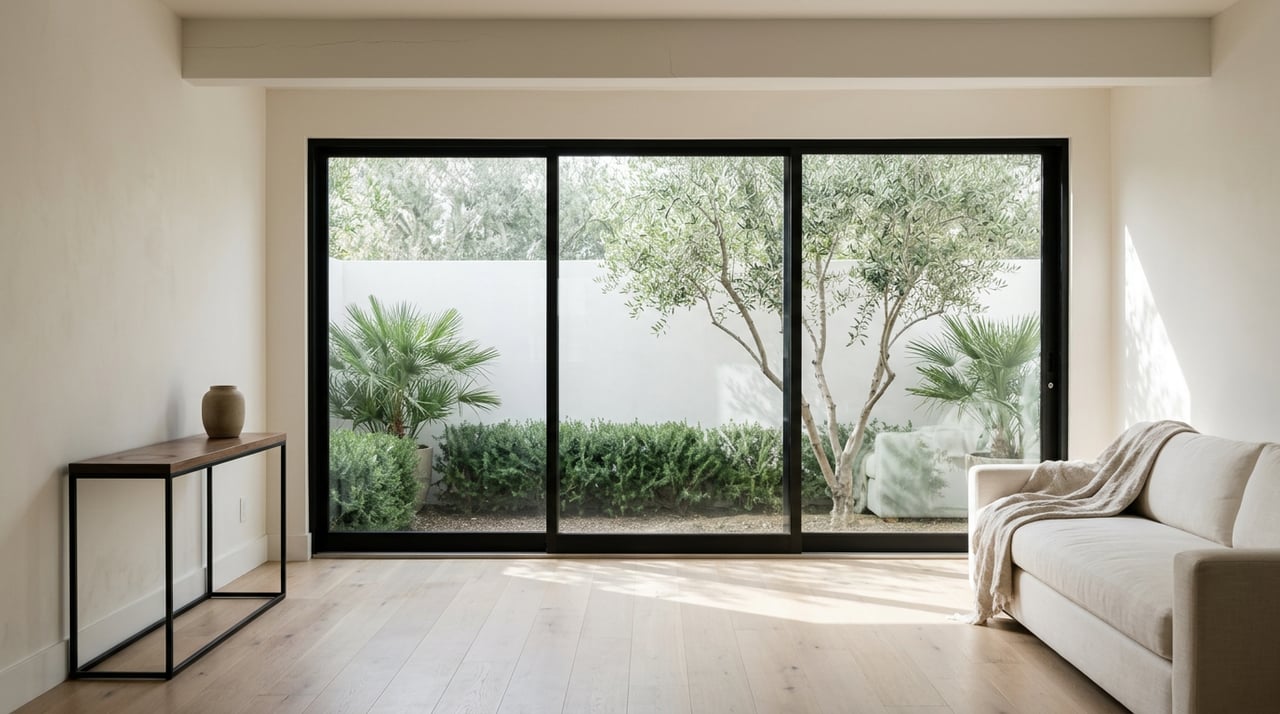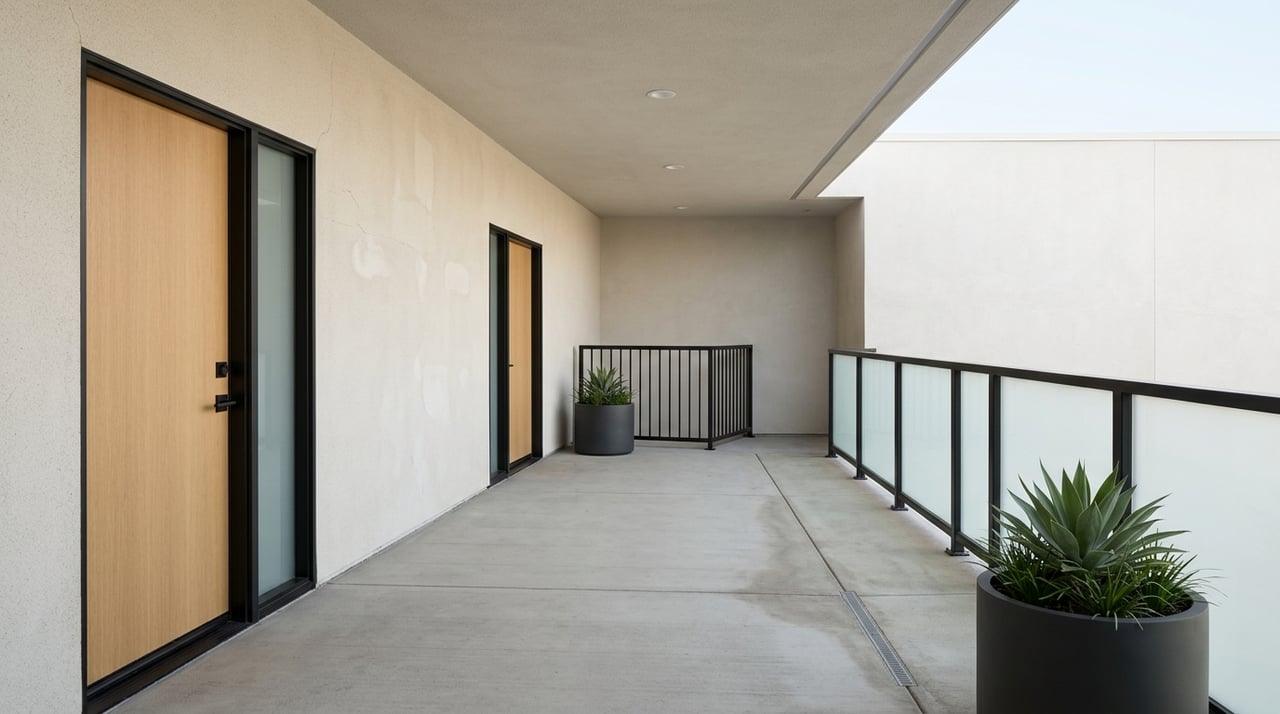
Trying to choose between a condo and a townhome in Signal Hill? You are not alone. In a small city where views, parking, privacy, and HOA details can shape your day-to-day life, the right choice often comes down to more than the label on a listing. This guide will help you compare the two with Signal Hill’s local housing realities in mind, so you can make a smarter move with more confidence. Let’s dive in.
Why Signal Hill Feels Different
Signal Hill is a compact city with 11,795 residents in about 2.2 square miles, and it has 4,749 housing units. Attached housing plays a major role here, with SCAG reporting that 13.5% of homes were single-family attached and 41.8% were in multifamily buildings with five or more units in 2018. That mix means condos and townhome-style homes are a meaningful part of the local market.
The city also stands out because it reports no Mello-Roos assessment districts and no utility tax. For you as a buyer, that can shift more attention to the property itself, especially HOA dues, reserves, and what the monthly fee actually covers. In Signal Hill, the building and the association often matter as much as the address.
Another local factor is outdoor access. The city notes five large public parks, several neighborhood parks, and many walking trails. If you want compact living without giving up fresh air and open-space access, that helps explain why Signal Hill continues to attract buyers.
Condo vs Townhome: Start With Ownership
In California, a condo is a legal ownership form, not a building style. The California Department of Real Estate explains that a townhome is an architectural style, and a townhome-style property can be set up legally as a condominium or as a planned development.
That matters because two homes that look similar can come with very different ownership and maintenance rules. A listing that says “townhome” does not tell you enough by itself. You need to know what you own, what the HOA owns, and who is responsible for key repairs.
The California Attorney General also notes that HOAs in these communities enforce CC&Rs, bylaws, and rules, and that owners usually must join the association and pay fees and assessments. That makes HOA review a central part of your decision, not a side detail.
What Usually Feels More Like a Condo
In Signal Hill, a condo often means a home in a larger multifamily setting, where shared amenities and shared maintenance responsibilities are more common. You may find a single-level layout, less private storage, and more neighbors nearby, though features vary by project.
For some buyers, that setup works well. If you want a simpler footprint, less personal exterior upkeep, and access to community features that may be bundled into your dues, a condo can be a practical fit.
The tradeoff is that your lifestyle may be shaped more by HOA rules, building layout, and shared walls or common areas. In a city like Signal Hill, you will want to look closely at parking, balcony orientation, noise, and whether the project gives you the privacy you want.
What Usually Feels More Like a Townhome
Townhome-style homes in California are commonly two or more stories, with separate residences not stacked above and below each other. In practice, that can create a more house-like feel, especially if the home includes direct-access garage space, a private entry, or a bonus room.
Current Signal Hill examples mentioned in the research include tri-level layouts, end units, attached two-car garages, and some homes with office or bonus spaces. Those details can make daily living easier if you need storage, work-from-home flexibility, or more separation between living and sleeping areas.
Still, the label alone is not enough. A townhome-style property may still be legally a condominium, and the HOA may still handle major exterior components. That is why the best comparison starts with title structure and governing documents, not just architecture.
Why Views Matter So Much in Signal Hill
Signal Hill is not a place where all attached homes feel interchangeable. The city’s general plan says views to and from the hill are a limited natural resource and describes the crest’s panorama as one of the most beautiful in Southern California.
For you, that means floor level, orientation, and nearby rooflines can matter just as much as square footage. A smaller home with a stronger view or better light may feel more satisfying than a larger one with less exposure.
When you compare a condo and a townhome here, ask practical questions. Which direction does the main living area face? Is the balcony usable? Could a nearby building addition or future change affect the view? In Signal Hill, those are not minor details.
Parking and Storage Can Be Deal Breakers
Parking is a major quality-of-life issue in Signal Hill. SCAG reports that 63.4% of households own two or more vehicles, and the city has specific traffic and parking rules.
That makes garage space, assigned spaces, guest parking, and storage worth careful review. Some attached homes offer direct-access two-car garages, while others may rely more heavily on surface spaces or street parking. Even within the same city, the experience can vary a lot from one complex to another.
If you are deciding between a condo and a townhome, think beyond bedroom count. Ask how many spaces are assigned, whether guest parking is realistic, and whether there is enough room for bikes, seasonal items, or EV charging needs.
HOA Dues Shape the Real Monthly Cost
Signal Hill’s lack of Mello-Roos can be a plus, but it does not make attached-home costs simple. HOA dues are often the biggest wildcard in your monthly budget.
Some local listings show dues that may include utilities or services such as water, sewer, trash, cable, or internet, while others keep dues lower and leave more expenses separate. That means a lower HOA fee is not always the better value.
California disclosure rules require important resale documents, including governing documents, financial statements, the operating budget, the most recent reserve study, assessment information, and, on request, minutes of proceedings. Those records can tell you whether the HOA is planning responsibly or just delaying needed repairs.
Privacy Depends on Layout, Not Just Property Type
Many buyers assume a townhome always means more privacy than a condo. Sometimes that is true, but not always.
The better question is how the home is laid out. Look at where bedrooms sit in relation to shared walls, whether the main living area is on the middle or top floor, and how much private outdoor space you actually get. An end unit may feel very different from an interior unit, even in the same project.
This is one area where an in-person comparison matters. In Signal Hill, the homes that feel most comfortable are often the ones where layout, light, and separation work well together.
A Local Factor: Oil Infrastructure
Signal Hill has a long oil-field history, and the city states that oil infrastructure remains intermixed with residential and commercial development. That does not affect every property in the same way, but it is a local issue worth checking before you commit.
If quiet, odors, or long-term comfort matter to you, ask the HOA and seller about nearby wells, any nuisance history, and how complaints or maintenance concerns have been handled. This is especially important when comparing two similar attached homes in different parts of the city.
A condo with a lower price or a townhome with more space may not feel like the better value if the surrounding environment is a mismatch for your priorities.
Questions to Ask Before You Choose
Before you decide between one Signal Hill complex and another, ask for the same details from both. That side-by-side review is often where the best decision becomes clear.
Here are smart questions to ask:
- Is the property legally a condominium project or a planned development on title?
- What does the HOA fee cover, and what does it not cover?
- Are there current or planned special assessments?
- Who maintains the roof, siding, balconies, patios, windows, and garage doors?
- How much parking is assigned, and how much guest parking is available?
- Are there restrictions on rentals, pets, smoking, or exterior changes?
- Could a future building or addition affect the view?
- Is there any history of oil, noise, odor, water intrusion, or litigation issues at the complex?
Which One Is Better for You?
If you want simpler living, shared amenities, and a layout that may be more compact, a condo could be the better fit. If you want a more house-like layout, more separation between spaces, and a garage-forward setup, a townhome-style home may feel more comfortable.
In Signal Hill, though, the better choice is usually not about the word “condo” or “townhome.” It is about how well a specific project balances view protection, parking, privacy, HOA transparency, and monthly cost for your lifestyle.
That is where local guidance can save you time and stress. If you want help comparing Signal Hill condos and townhome-style homes, The Elmer Team can help you look past the label and focus on the details that really matter.
FAQs
What is the difference between a condo and a townhome in Signal Hill?
- In Signal Hill, the biggest difference is often the legal ownership structure and HOA responsibilities, not just the look of the home. In California, a condo is a legal form of ownership, while a townhome is an architectural style.
Why do Signal Hill views matter when choosing an attached home?
- Signal Hill’s general plan places unusual importance on protecting views to and from the hill, so floor level, orientation, and nearby rooflines can strongly affect how a home feels and how it compares with other options.
What should you review in an HOA before buying a Signal Hill condo or townhome?
- You should review the governing documents, financial statements, operating budget, reserve study, assessment information, and available meeting minutes to understand maintenance responsibilities, financial health, and possible future costs.
How important is parking for Signal Hill condo and townhome buyers?
- Parking is very important because many Signal Hill households have two or more vehicles. Assigned spaces, guest parking, garage access, and storage can make a major difference in day-to-day convenience.
Are HOA dues in Signal Hill condos and townhomes worth comparing closely?
- Yes. Signal Hill has no Mello-Roos assessment districts, so HOA dues often become one of the biggest monthly cost variables. You will want to compare not just the amount, but also what services and maintenance those dues include.