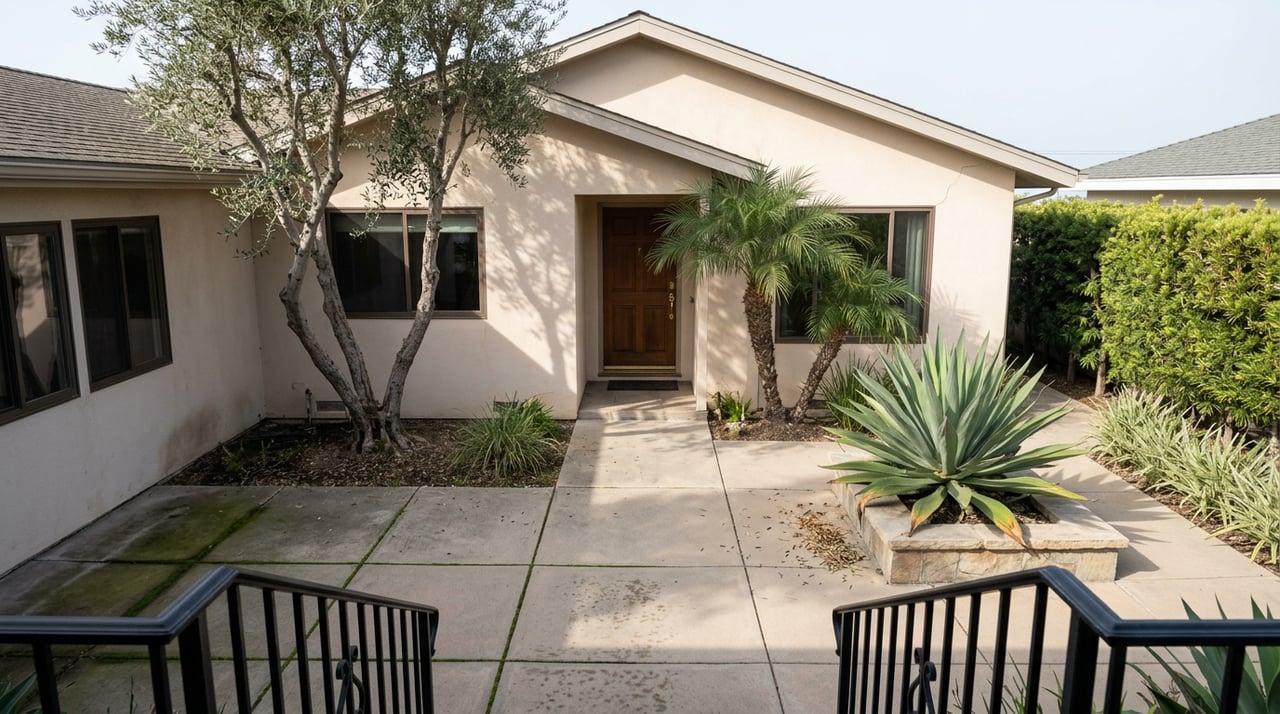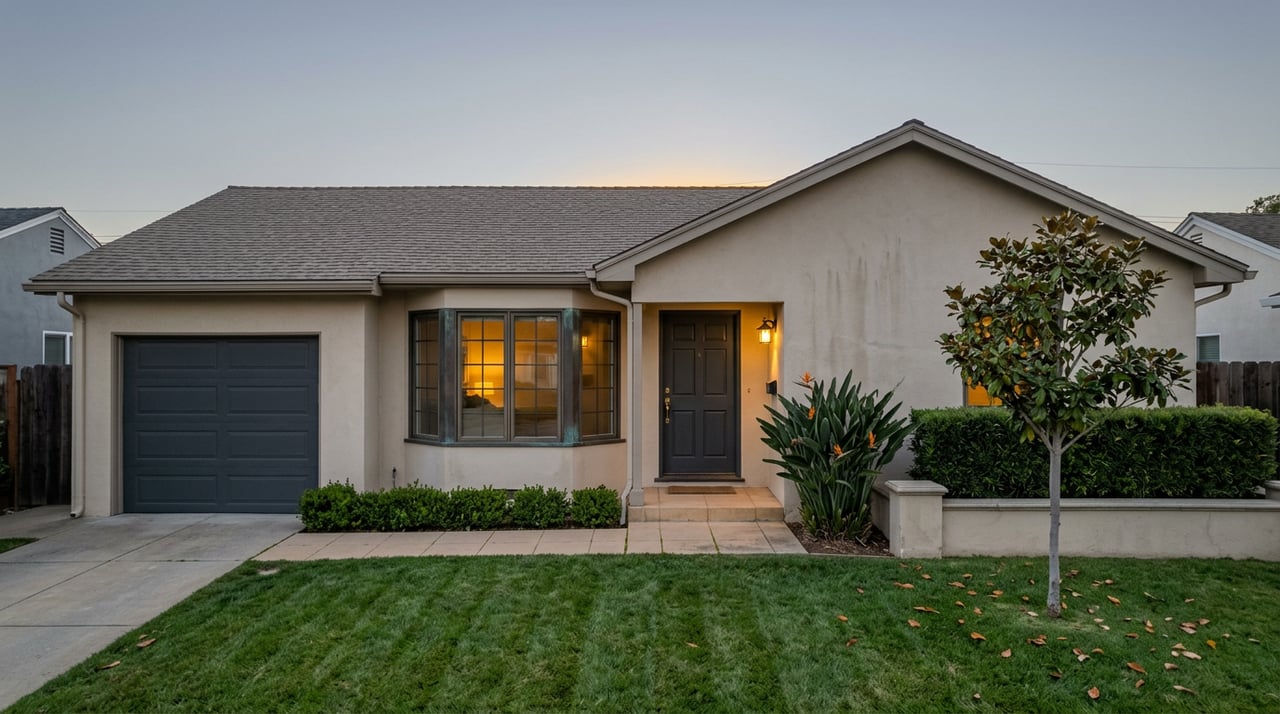
A vacant home is one of the most vulnerable assets in a probate estate. Melinda Elmer, a Certified Probate Real Estate Specialist serving Long Beach and Southern California, works with executors who are often surprised by how quickly an empty house can become a liability. From lapsed insurance coverage to squatter activity and weather damage, the risks are real, and the executor's responsibility is clear: under California Probate Code Sections 9600 through 9601, you are legally required to protect and preserve estate property from the date of your appointment.
This guide covers everything an executor needs to know about insuring, securing, and maintaining a probate home during the months (or years) between the owner's passing and the final sale or transfer of the property.
Why Vacant Probate Homes Are High-Risk Properties
When a home sits empty, problems that would normally be noticed and addressed quickly, like a small roof leak, a running toilet, or an unlocked gate, can escalate into major damage. Insurance companies know this, and so do opportunistic intruders. Here are the primary risks.
-
Vandalism and theft. Copper piping, appliances, and fixtures are common targets. Homes that look obviously vacant attract attention.
-
Squatters. California law requires a formal eviction process to remove squatters, even those occupying a property without permission. Under Senate Bill 602 (effective 2024), property owners can now file a no-trespass notice with local police that remains valid for one year. Adverse possession claims require five consecutive years of open, continuous occupation and payment of property taxes, but even short-term squatting creates legal headaches and potential property damage.
-
Water damage. A burst pipe or slow leak in an unoccupied home can go undetected for weeks, causing extensive damage to floors, walls, and foundations.
-
Fire. Vacant homes are statistically more likely to experience fire, whether from electrical issues, arson, or unauthorized occupants.
-
Pest infestations. Rodents, termites, and other pests move in quickly when homes are unoccupied and unsupervised.
-
Code violations. Some California cities require vacant property registration and impose fines for unmaintained homes. Long Beach's municipal code requires property owners to maintain exterior conditions regardless of occupancy status.
|
Local Tip: In Long Beach, the Code Enforcement Division actively monitors vacant and blighted properties. Overgrown landscaping, broken windows, and accumulated debris can result in notices of violation and fines. Stay ahead of complaints by maintaining the exterior on a regular schedule. |
Insurance: The First Thing to Address
Insurance is the single most critical task when securing a vacant probate property. Under California Probate Code, executors must maintain adequate insurance on estate real property. If an uninsured home is damaged, beneficiaries can petition the court to hold the executor personally liable for the loss. Here is what you need to know about managing probate property responsibly.
Standard Homeowner Policies Do Not Cover Vacant Homes
Most homeowner's insurance policies include a vacancy clause that restricts or voids coverage if the property is unoccupied for more than 30 to 60 consecutive days. Since probate routinely takes 9 to 18 months in California, the standard policy will almost certainly lapse before the home is sold.
Steps to Keep the Property Insured
-
Notify the carrier immediately after the death. Send a copy of the death certificate and request confirmation that the policy remains active. Ask specifically about the vacancy clause timeline.
-
Switch to a vacant property or estate insurance policy. These specialized policies are designed for unoccupied homes and cover risks that standard policies exclude, including vandalism, malicious damage, and liability for injuries on the property.
-
Change the named insured to the estate. The policy should be in the estate's name (for example, 'Estate of John Smith') with the executor listed as the responsible party.
-
Pay premiums from estate funds. Insurance premiums are a legitimate administrative expense of the estate. Do not pay from personal funds.
|
Insurance Type |
Coverage |
Best For |
|
Standard Homeowner's |
Full coverage while occupied; restricted after 30 to 60 days of vacancy |
Only if someone is living in the home during probate |
|
Vacant Property Policy |
Covers fire, vandalism, liability, weather damage on unoccupied homes |
Most probate situations where the home is empty |
|
Builder's Risk / Renovation |
Covers property during major renovation |
Probate homes undergoing significant repairs before sale |
|
Landlord / Rental Policy |
Covers rented properties |
If a tenant occupies the home during probate |
Physical Security: Keeping the Property Safe
A well-secured property deters break-ins, squatters, and vandalism while signaling to neighbors and the community that someone is actively managing the home. Here is a practical security checklist.
Immediate Actions (First Week)
-
Change all locks. You do not know who has keys. Rekey or replace every exterior lock, including garage and side doors.
-
Secure all windows. Make sure every window latches properly. For ground-floor windows, consider pin locks or security film.
-
Install exterior lighting. Motion-activated lights on the front, back, and sides of the home are one of the most effective and inexpensive deterrents.
-
Post No Trespassing signs. Under California law, visible No Trespassing signage strengthens your legal position if someone enters the property without permission. Consider filing a formal no-trespass notice with the Long Beach Police Department under SB 602.
Ongoing Security Measures
-
Install security cameras. Battery-powered Wi-Fi cameras with cloud storage allow you to monitor the property remotely. Place cameras at the front door, back entry, and any side gates.
-
Set interior lights on timers. An obviously dark home signals vacancy. Use timers to rotate lights in different rooms throughout the evening.
-
Arrange regular property checks. Visit the property at least once per week, or hire a property manager to do so. Document each visit with photos and notes. If you are an out-of-state executor, this step is essential.
-
Maintain mail and deliveries. Forward the decedent's mail to the executor's address. Overflowing mailboxes and piled-up packages signal an empty home.
-
Keep the alarm system active. If the home has an existing security system, transfer the account to the estate and keep it monitored.
|
Main Takeaway: Security is not just about preventing break-ins. A well-maintained appearance signals that the property is actively managed, which deters squatters, keeps neighbors from filing complaints, and preserves the home's value for the eventual sale. |
Utilities: What to Keep On and What to Shut Off
Managing utilities requires balancing cost with property protection. Shutting off everything saves money in the short term but can lead to expensive problems.
|
Utility |
Recommendation |
Why |
|
Electricity |
Keep on |
Powers security cameras, lights on timers, alarm systems, and allows buyers to view the home during showings |
|
Water |
Keep on but winterize exposed pipes |
Prevents pipe damage; needed for property maintenance and buyer inspections |
|
Gas |
Case by case |
Turn off if no gas appliances are needed; keep on if the home has gas heating and cold weather is a factor |
|
Internet |
Keep on if using Wi-Fi cameras |
Supports remote monitoring; can be disconnected if using cellular-based cameras |
|
Trash Service |
Keep active or arrange periodic pickup |
Prevents accumulation that attracts pests and code violations |
|
Landscaping |
Maintain on a regular schedule |
Overgrown yards attract code enforcement attention and signal vacancy |
Transfer all utility accounts to the estate's name. If any utility was in the decedent's name only, the provider may require a copy of the death certificate and Letters Testamentary before making the change.
Ongoing Maintenance: Protecting Property Value
An empty house deteriorates faster than an occupied one. Regular maintenance during probate protects the estate's largest asset and ensures the home is in the best possible condition when it comes time to list. Your probate real estate specialist can recommend trusted service providers for each of these tasks.
-
Landscaping. Mow the lawn, trim hedges, and clear walkways on a biweekly or monthly schedule. In Long Beach, drought-tolerant landscapes require less maintenance but still need attention.
-
Pest control. Schedule a professional inspection and treatment. Termites are common in Long Beach's older homes and can cause significant damage if left unchecked.
-
HVAC. Run the heating and cooling systems periodically to prevent mechanical failure. Change filters at least once during the probate period.
-
Plumbing. Run water through all fixtures monthly to prevent dry traps and sewer gas buildup. Check under sinks for leaks.
-
Roof and gutters. Clear leaves and debris from gutters seasonally. Inspect the roof for missing shingles or visible damage after storms.
-
Exterior paint and siding. Touch up peeling paint and repair any visible damage. First impressions matter when the home is eventually listed.
If you are preparing the home for market, review the executor's timeline checklist for a complete schedule of what to do and when.
Liability: Protecting Yourself as Executor
Executors carry personal liability for the condition and safety of estate property. If someone is injured on the property, if the home is damaged by a preventable cause, or if neighbors suffer harm from a neglected condition (like a falling tree), the executor can be held personally responsible.
-
Maintain liability insurance coverage. Your vacant property policy should include at minimum $300,000 in liability coverage, though $500,000 or more is recommended for higher-value properties.
-
Address hazards promptly. Broken steps, unstable railings, low-hanging branches, and uneven walkways all create injury risk. Fix these immediately.
-
Document everything. Photograph the property's condition at your first visit and after each maintenance session. Keep receipts for all work performed. This documentation protects you if a beneficiary later questions your management of the estate.
-
Do not allow unauthorized occupants. Letting a family friend or relative stay in the home without a proper agreement creates insurance and legal complications. If someone will reside in the property during probate, formalize the arrangement in writing and notify the insurance carrier.
Frequently Asked Questions
Can I use estate funds to pay for security and maintenance?
Yes. All reasonable costs to secure, insure, and maintain estate property are legitimate administrative expenses under California Probate Code. Keep detailed records and receipts for the final accounting.
What if the property already has squatters when I am appointed?
You must follow California's formal eviction process. Do not attempt to remove squatters yourself, change locks while they are inside, or shut off utilities. File a no-trespass notice under SB 602, serve appropriate legal notices, and work with an attorney if necessary. Improper removal can expose the estate to liability.
How often should I check on a vacant probate property?
At least once per week is recommended. More frequent visits are better. Each visit should include a walkthrough of the interior and exterior, checking for signs of water damage, break-in attempts, pest activity, and general deterioration. Document each visit with photos.
Does the estate pay property taxes on a vacant home during probate?
Yes. Property taxes continue to accrue during probate and are paid from estate funds. If the property tax bill is not paid, the county can place a lien on the property, which complicates the eventual sale. Be aware that Prop 19 reassessment rules may increase the tax bill upon transfer to an heir.
What if I live far from the property and cannot check on it regularly?
Hire a local property management company or ask your CPRES agent for a referral to a property caretaker. The cost is modest compared to the damage that can result from an unmonitored home. Contact The Elmer Team for referrals to trusted property care providers in the Long Beach area.
Let The Elmer Team Help You Protect Your Estate
Securing and maintaining a vacant probate property is one of the most important responsibilities an executor faces. The Elmer Team provides Long Beach executors with a full network of trusted service providers. Call Melinda Elmer at (562) 316-2915 to get the support you need from day one.
Disclaimer: This article is provided for general informational purposes only and does not constitute legal, tax, financial, or insurance advice. Probate laws, property tax rules, and real estate regulations vary by state and county and are subject to change. The information presented here reflects California law and Los Angeles County practices as of the date of publication. Every probate estate is unique, and readers should consult a licensed probate attorney, tax professional, or other qualified advisor before making decisions about an estate, inherited property, or real estate transaction.