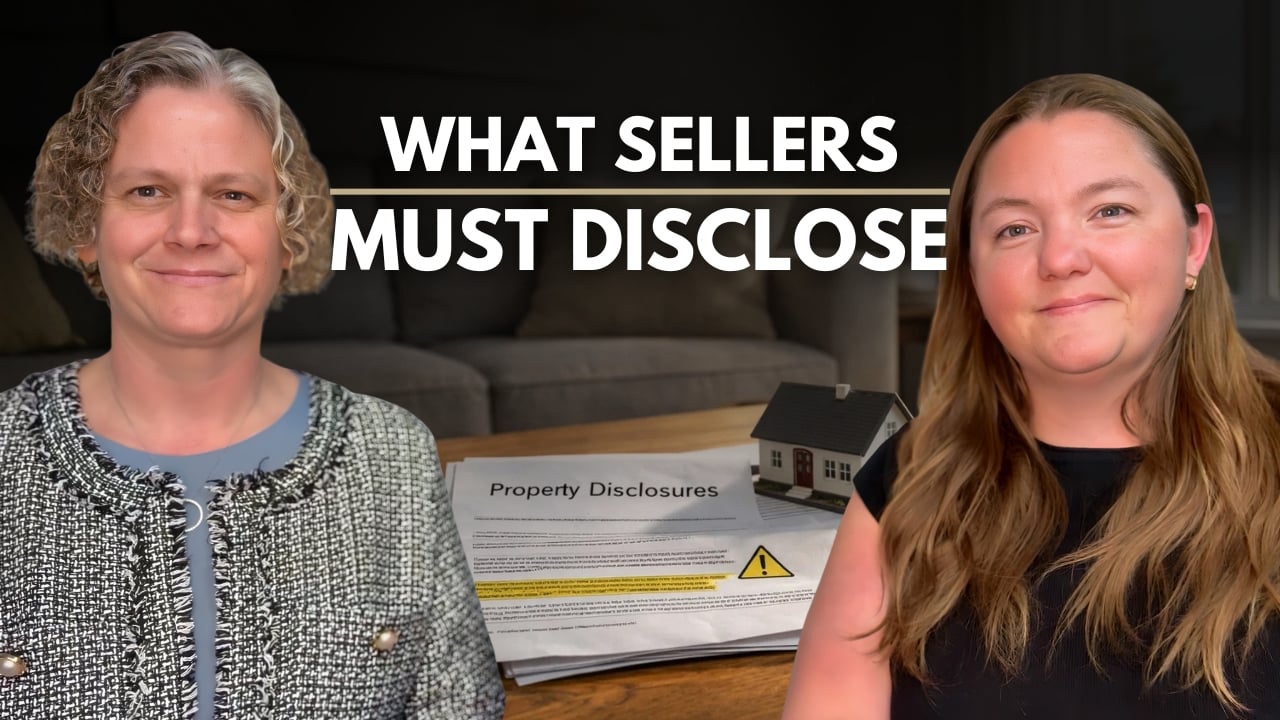
When sellers disclose what they know about the property, including past repairs, known issues, and previous concerns, it helps buyers understand the home and reduces the risk of problems later.
A home sale can feel complete the day escrow closes, but that does not mean every risk has disappeared. Some of the most serious problems show up later, once the buyer has moved in and starts noticing issues that were never fully explained.
That is why disclosures matter so much, because when they are handled carefully, they help both sides make informed decisions, and when they are rushed or left incomplete, they can lead to disputes that are difficult to untangle.
To explain why disclosures play such a critical role, I recently sat down with Rebecca Secord from Your Home Legal to talk through what sellers and buyers should understand during this part of the transaction.
Why do disclosures matter so much? Many real estate issues do not begin during escrow. They begin after closing, when a buyer is already living in the home and starts dealing with a problem they did not expect. It could be a garage that floods every time it rains, noise that happens on a regular schedule, or another issue tied to the home or the surrounding area.
What may seem minor on paper can feel very different once it becomes part of daily life, which is exactly why disclosure forms are so important.
Disclosures are not just another stack of documents to sign on the way to closing. They are meant to tell the story of the property as clearly as possible, giving buyers a fuller picture of what the seller knows while also giving sellers an opportunity to share important facts before the sale is final.
What do sellers need to disclose? Two documents are central to this process:
● Transfer Disclosure Statement
● Seller Property Questionnaire
Together, these forms outline the condition of the property, including past repairs, improvements, known defects, neighborhood concerns, noise issues, and other facts that could influence a buyer’s decision.
Sellers are responsible for what they remember from their own time in the home and for the knowledge they received when they bought the property. This means old disclosure packets still matter years later.
If a seller was told about an issue when they purchased the home, that information should be kept and passed along when it is time to sell.
It also helps to stay focused on facts instead of opinions. Buyers need clear information they can evaluate, so a statement such as “there was damage in this area, and it was repaired” is far more useful than a personal opinion about the layout or design of the home. Facts, not opinions, help buyers understand the property.
"Seller disclosures protect the sale when known issues, repairs, and facts are shared clearly before closing."
Where do sellers often make mistakes? One of the most common problems is that sellers do not provide enough detail. They may check “yes” on a disclosure form, but they do not explain what happened, when it happened, or what was done to fix it. That leaves gaps in the story of the home, and those gaps often create confusion later.
More complete disclosure usually gives sellers better protection as well. If a buyer raises a concern after closing and claims something was never shared, a detailed disclosure can help show that the seller did provide the information they knew at the time.
Good recordkeeping also plays a big role here, because most people will not remember every repair, improvement, or issue after years of living in a property. Old disclosure packets, invoices, receipts, and written notes can make it much easier to give accurate information when the home goes on the market.
What do buyers need to do? Buyers can run into just as much trouble when they move through disclosures too quickly. During escrow, it is easy to feel buried in paperwork and want to get everything signed as fast as possible, but rushing through these forms can create larger problems later.
When something is vague, buyers need to slow down and ask more questions. If a box is checked “yes” but there is little explanation, that is the time to ask what happened, when it happened, and whether the issue was repaired.
Careful follow-up matters, because if buyers do not do proper due diligence, they may weaken their ability to recover damages later, even if there was a non-disclosure problem.
Why does careful review matter? Some disclosure issues involve repair history or neighborhood conditions, while others involve facts that may strongly affect a buyer’s decision in more personal ways.
One example involved a buyer who learned after closing that someone had died in the home, and that discovery created major concern for the family after the sale was already complete.
While situations like that may not come up every day, they underscore the importance of clearly disclosing material facts and carefully reviewing everything before closing.
Disclosures should help prevent surprises, not create them. When we share complete facts, keep good records, read carefully, and ask the right questions early, the transaction becomes smoother and much less likely to turn into a dispute later. If you’re buying or selling a home and have questions about disclosures, feel free to call or text me at 562-316-2915 or email me at [email protected]. To reach out to Rebecca Secord, you can go to www.yourhomelegal.com. We can help you understand what to look for, what to disclose, and how to move forward with fewer surprises.