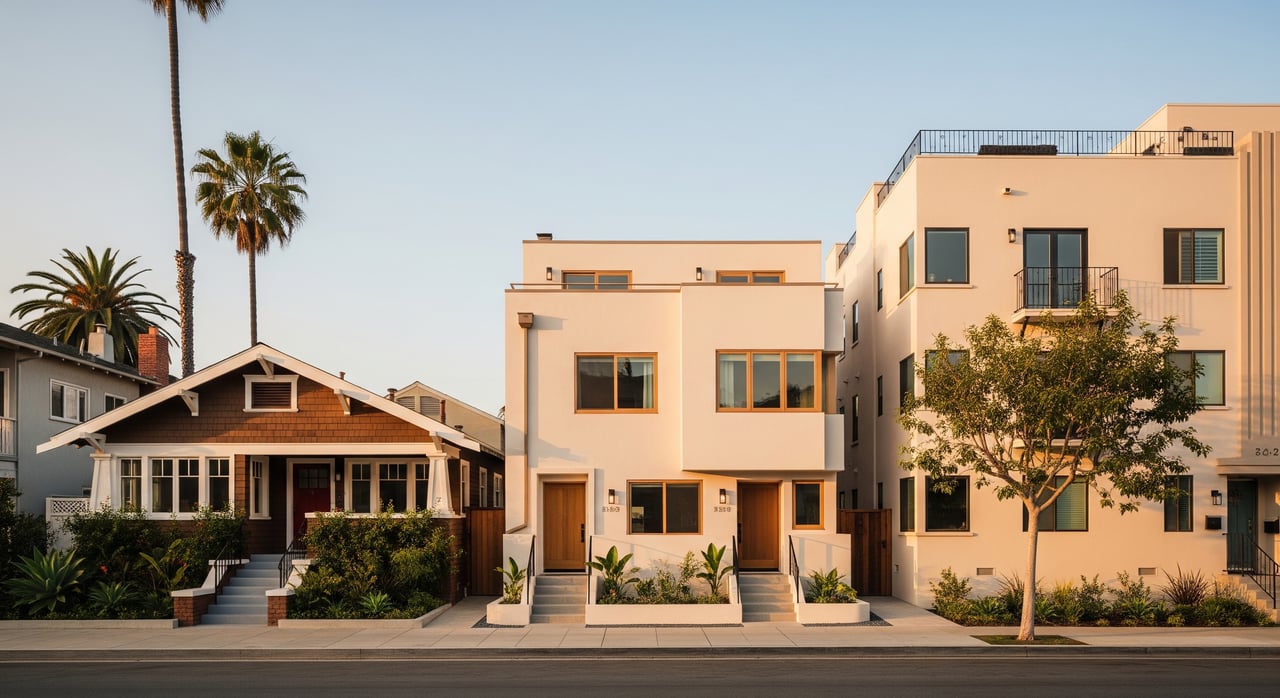
If you have ever looked up a Long Beach property and seen R1, R2, or R3, you are not alone. Zoning labels can feel like a secret code when you are trying to buy, sell, or plan an addition. You want to know what you can build, how many units are allowed, and whether an ADU or house-hack is realistic. In this guide, you will learn what R1, R2, and R3 mean in Long Beach, how to read the city zoning map, and how these rules affect your options. Let’s dive in.
Long Beach zoning basics
Zoning is the set of city rules that control land use, density, height, setbacks, and parking. The City of Long Beach uses a zoning map and the Municipal Code to set these standards for each parcel. The General Plan guides policy, and the zoning map turns that policy into parcel-level rules.
Zoning is the starting point, not the full story. Overlays like Specific Plans, Planned Developments, the Coastal Zone, and historic districts can add or modify requirements. For larger projects you may also run into discretionary review, public hearings, or environmental review.
Always confirm rules with the City of Long Beach Planning and Building Department. For certainty, request a Zoning Verification Letter or meet with planning staff.
R1: Single-family basics
R1 is the traditional single-family zone. It is intended to preserve lower-density neighborhoods with one primary home per lot. Setbacks and lot coverage are often stricter than other residential zones, and some subareas also have minimum lot widths or sizes.
Accessory Dwelling Units are a major opportunity in R1. State ADU law applies citywide, and Long Beach has local standards that follow state rules. Many R1 lots can add an ADU under objective standards, sometimes with parking relief depending on location and transit.
If your goal is a single-family home with the option to add an ADU or a junior ADU, R1 can work well. Converting R1 to multifamily generally requires a rezone or using state tools such as SB 9 where eligible.
R2: Duplex and small multi-family
R2 is designed for moderate density. It typically allows two primary units on a lot, often in a duplex or side-by-side format. Some subareas may allow attached or small multi-family forms as defined in the Municipal Code.
Compared with R1, R2 may allow more flexible lot coverage, slightly taller structures, and different parking rules. ADUs can often be added here too, which can create a third rentable unit depending on the configuration and local standards.
Many buyers like R2 for house-hacking. You can live in one unit and rent the other, and still explore an ADU if feasible. Financing, insurance, and property management differ from single-family homes, so plan ahead with your lender and advisors.
R3: Medium-density multi-family
R3 supports more housing near corridors and growth areas. You will see three or more units per lot, including small apartment buildings or townhomes. Development standards for height, bulk, and lot coverage are generally more permissive than R1 or R2, but projects still follow objective design and parking rules.
R3 parcels can offer the strongest redevelopment potential. Larger projects may trigger additional planning review, affordable housing rules, or environmental review. If you are evaluating a build or conversion, factor in timelines, entitlement steps, and carrying costs.
Cross-cutting rules: ADUs and SB 9
- ADUs and JADUs: State law allows ADUs in residential zones under objective standards. Long Beach implements local rules for size, setbacks, and parking that align with state statutes. This is often the fastest path to add a rentable unit on R1 and R2 lots.
- SB 9 lot splits and duplexes: In some single-family areas, SB 9 provides a ministerial path for a lot split and up to two units per lot, subject to strict eligibility and objective standards. Feasibility depends on parcel specifics and any local exemptions.
Bottom line: ADUs and SB 9 can expand options regardless of R1, R2, or R3, but the details are parcel specific. Confirm with the city before you underwrite a deal.
How to read Long Beach’s zoning map
Use the City of Long Beach interactive zoning map to research any parcel. Here is a simple workflow:
- Search the address or APN in the city’s GIS zoning map. Note the base zone, such as R1, R2, or R3.
- Look for overlays and special areas. Examples include a Specific Plan, PD overlay, Historic District, the Coastal Zone, or Downtown Plan.
- Check the General Plan land use designation alongside the base zone. The city can be in transition if a rezone is pending.
- Open the Municipal Code chapter for your zone to see permitted uses, setbacks, height, lot coverage, and parking standards.
- Identify constraints that may affect buildable area, such as flood zones, coastal permits, or historic review.
- For formal confirmation, request a Zoning Verification Letter or meet with planning staff. For larger ideas, schedule a pre-application meeting.
Tip: Pay attention to parcel dimensions on the map. Width, depth, and lot area matter for unit counts, setbacks, and parking feasibility.
What this means for buyers and owners
House-hacking potential varies by zone. R2 and R3 generally offer more straightforward multi-unit options, while R1 usually limits you to one principal dwelling plus ADUs. Each path has different financing and insurance considerations.
ADUs can boost flexibility and value. In many cases, you can add an ADU without a public hearing if you meet objective standards. Parking rules may be reduced for ADUs, especially near transit.
Redevelopment is most likely in R3. Expect more review steps as unit counts increase. In R2, duplex upgrades and ADU additions are common. In R1, consider ADUs or SB 9 where eligible rather than full multifamily conversions.
Approvals and process overview
- Ministerial approvals: Many ADUs and small projects are reviewed against objective standards without a public hearing. Timelines are often faster.
- Discretionary approvals: Variances, rezonings, and larger developments can require public hearings and environmental review. Build this into your schedule and budget.
- Variances and adjustments: If you cannot meet a setback or height standard, you may need a variance. These require findings and are not guaranteed.
Common constraints to check
- Historic districts or landmark status that limits demolition or triggers design review.
- Coastal Zone boundaries that add permits and timelines.
- Floodplain or environmental overlays that reduce the buildable area.
- Utilities, easements, and access that affect site planning.
- Inclusionary or affordability requirements for larger multifamily projects.
Quick checklist before you write an offer
- Find the parcel in the City of Long Beach zoning map and write down the base zone and overlays.
- Pull the APN, lot width, depth, and area. Sketch rough setbacks and possible building envelopes.
- Read the Municipal Code section for your zone and any overlays. Note permitted uses, density, setbacks, height, and parking.
- Review Long Beach ADU rules and confirm any state parking exceptions that might apply.
- Check whether SB 9 could apply to the parcel, then review local objective standards.
- Ask for a Zoning Verification Letter to confirm allowed uses and standards.
- For redevelopment, set a pre-application meeting with planning staff. Consult an architect or land use professional about site fit.
- Discuss financing with a lender who understands 2 to 4 unit loans and ADU appraisals.
- Verify historic, coastal, flood, or infrastructure constraints.
- Confirm permitting timelines and fees for ADUs, duplexes, or small multifamily.
Work with a team that knows zoning
Zoning is a powerful tool when you understand it. Whether you want a single-family home with an ADU, a duplex to house-hack, or a small multifamily investment, the right plan starts with your parcel’s rules. Our team helps you map options to your budget, lender, and timeline, then negotiates the right offer and manages the process with clarity.
If you want help evaluating a property or planning next steps, reach out to The Elmer Team. We combine local knowledge with a process-driven approach so you can move forward with confidence.
FAQs
What does R1, R2, and R3 zoning allow in Long Beach?
- R1 typically allows one primary home plus ADUs, R2 typically allows two primary units plus ADUs, and R3 typically allows three or more units under multifamily standards, all subject to local code and overlays.
Are ADUs allowed in Long Beach R1 zones?
- Yes, ADUs and JADUs are generally allowed under state law and local standards, with objective limits on size, setbacks, and parking that you should confirm for your parcel.
How do I confirm a property’s zoning in Long Beach?
- Use the city’s GIS zoning map to find the base zone and overlays, read the Municipal Code for standards, and request a Zoning Verification Letter for official confirmation.
Is R2 better than R1 for house-hacking in Long Beach?
- Often yes, because R2 typically allows two primary units and may still accommodate an ADU, but feasibility and financing depend on your parcel and lender.
What surprises buyers about Long Beach zoning?
- Overlays like Specific Plans, the Coastal Zone, and historic districts can change what you can do on a lot, and larger projects can trigger hearings or environmental review.